Latest News
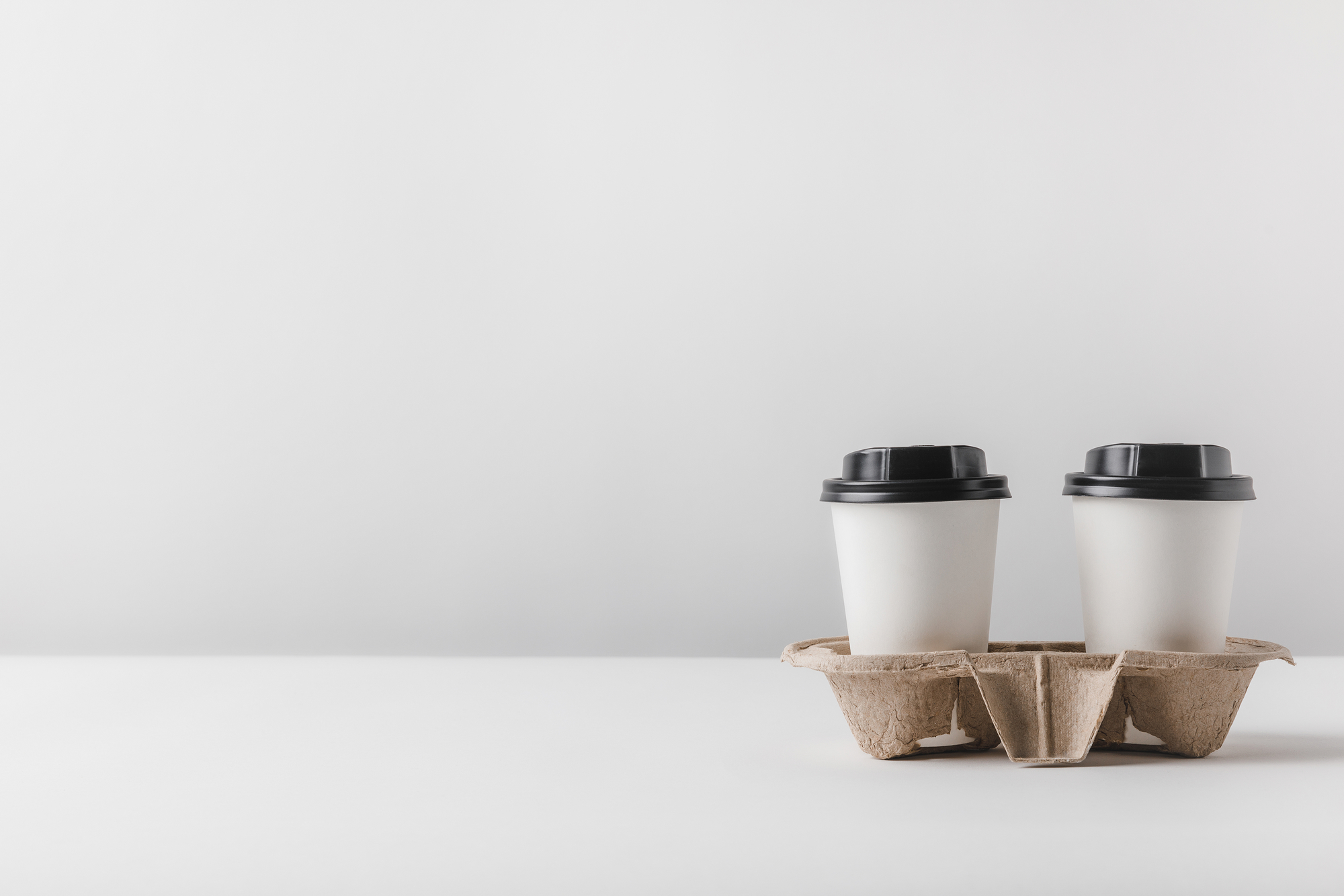
Getting cup sizes right sounds simple, but it is one of the most common ordering mistakes food businesses make when setting up a hot drinks menu. Stock the wrong sizes, and you end up with espressos swimming in oversized cups, lattes spilling over undersized ones, and money wasted on formats that do not match your actual menu. This guide walks through every standard takeaway coffee cup size used in UK food service and covers the practical decisions around cup type, lid compatibility, and cost.
Cup sizing affects more than just portion appearance. The right size controls portion cost, reduces waste, and keeps service consistent across staff who may otherwise pour differently. An 8oz cup filled with a flat white looks full and considered. The same drink in a 12oz cup looks half-empty and invites complaints. Customers judge value partly by how full the cup looks on collection, so matching cup volume to drink volume is a basic quality control step that pays for itself.
The standard takeaway coffee cup sizes used across UK food service are 4oz (approximately 120ml), 6oz (approximately 180ml), 8oz (approximately 240ml), 10oz (approximately 300ml), 12oz (approximately 350ml), and 16oz (approximately 470ml). A 4oz cup suits espresso shots and tasting samples. A 6oz cup works for espressos, cortados, and small flat whites. An 8oz cup is the standard for flat whites, small lattes, and cappuccinos. A 10oz cup suits medium lattes, cappuccinos, and standard teas. A 12oz cup covers large lattes, americanos, and hot chocolates. A 16oz cup is used for extra-large Americanos, speciality drinks, and iced options served in paper cups. Most cafes and takeaway operators find they can cover their full menu with two or three of these sizes.
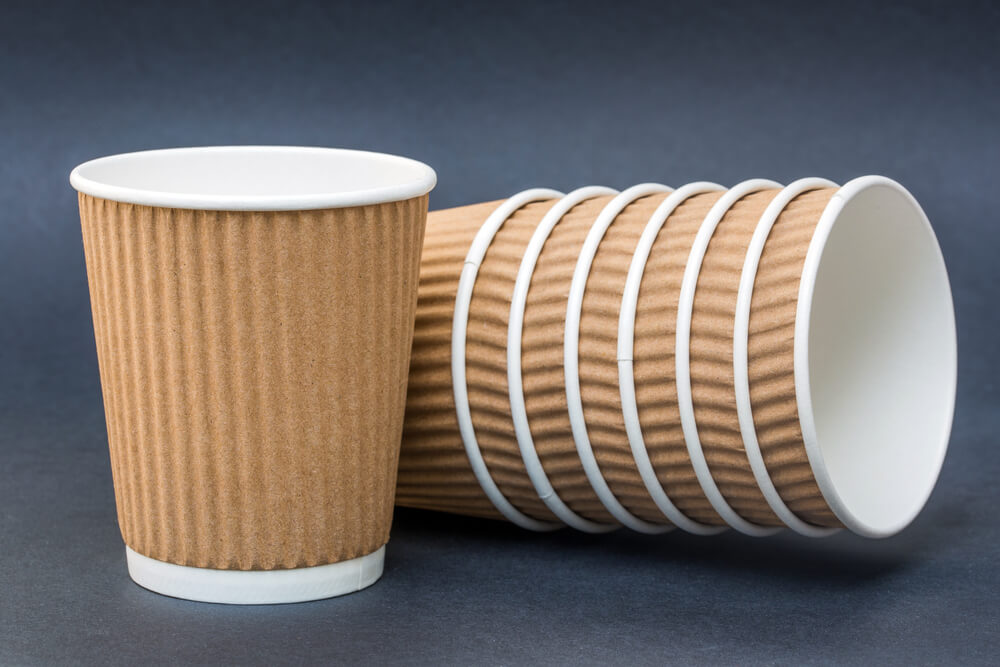
Cup size is only half the decision. The other half is cup type, and the three main formats used in UK food service each perform differently. Single-wall cups are the standard: one layer of PLA-lined paper, the lowest cost per unit, but they transfer heat quickly and usually need a cardboard sleeve or cup holder for comfortable handling. Double wall cups have a smooth outer layer with an insulating air gap, so they feel cooler to hold and do not need a sleeve. Ripple cups have a corrugated outer layer bonded to the cup body, providing built-in insulation and a textured, premium feel without any sleeve. The choice between them depends on your budget, your service speed, and how you want the cup to feel in the customer’s hand.
The simplest way to spec your cups is to list every drink on your menu, assign a target volume, then map that to the nearest cup size. Espresso-based drinks like cortados and macchiatos sit at 4oz to 6oz. Flat whites and cappuccinos sit at 8oz. Regular lattes and americanos sit at 10oz to 12oz, with large versions at 12oz to 16oz. Hot chocolates with cream often need 12oz to leave headroom. Teas are usually served in 8oz or 10oz. If you also serve iced lattes in paper cups, move up one size from the hot version to account for ice. Many operators find that stocking 8oz and 12oz covers 80% of orders.
Every additional cup size adds a separate SKU to your inventory, a separate lid line, and a separate storage footprint. Consolidating to two or three core sizes simplifies ordering, reduces dead stock, and lets you hit higher volumes per SKU, which usually lowers unit cost. It also speeds up service because staff are not choosing between five sizes on every order.
A common ordering mistake is assuming that lids are sized by cup volume. They are not. Lids are sized by rim diameter in millimetres, and cups of different volumes can share the same rim size. For example, an 8oz and a 12oz cup from the same supplier may both take an 80mm lid, while a 12oz cup from a different range may need a 90mm lid. Always confirm the rim diameter with your supplier before ordering lids in bulk, and request a sample if you are switching to a new cup line. Ordering mismatched lids wastes stock and causes spills at the counter.
Most modern takeaway cups are available in PLA-lined compostable formats across all sizes, which supports an eco-friendly brand position and helps with the UK Plastic Packaging Tax, which targets plastic packaging containing less than 30% recycled content. If you plan to add your logo, Ambican’s custom-branded cups service covers paper, ripple, and cold cup formats, and a consistent design across two or three sizes builds brand recognition without complicating the range.
The standard sizes are 4oz, 6oz, 8oz, 10oz, 12oz, and 16oz. Most cafes and takeaways stock two or three of these to cover their full menu. An 8oz cup suits flat whites and cappuccinos, a 12oz cup suits large lattes and americanos, and a 16oz cup covers speciality and iced drinks.
An 8oz cup is the standard for a flat white. It holds the drink without excess headroom, so the cup looks full on collection and the milk-to-espresso ratio stays correct. Some operators use 6oz for a smaller, more concentrated flat white.
Not always. Lids are sized by rim diameter, not cup volume, so cups of different sizes from the same range often share a lid. Always check the rim diameter in millimetres with your supplier before ordering lids in bulk, and request samples if you are switching cup lines.
Two or three sizes are ideal for most independent cafes and takeaways. This keeps storage manageable, reduces dead stock, and simplifies ordering. A common combination is 8oz for standard drinks, 12oz for large drinks, and optionally 16oz for speciality or iced options.
Browse Ambican’s full range of ripple cups and single-wall custom-branded cups in every size, or call 0208 965 8399 to discuss bulk ordering for your business.