Latest News
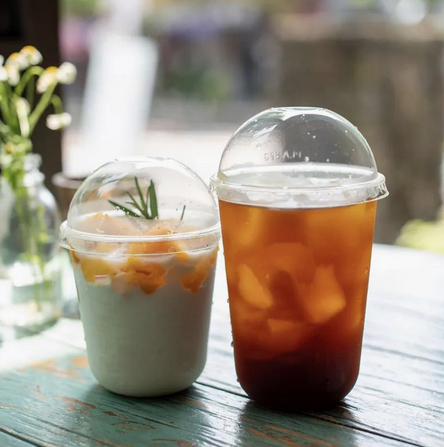
When the weather turns, so does the drinks menu. Iced coffees replace flat whites, smoothies and juices push past hot chocolates, and frozen drinks start selling by the dozen. For UK cafes, food trucks, juice bars, and dessert lounges, summer means a shift in cup requirements: different sizes, different materials, different lids, and a much higher emphasis on visual presentation. This guide covers which disposable cup types work best for each summer drink category and how to build a cold cup spec that matches your seasonal menu.
Summer shifts demand from hot to cold, and cold drinks behave differently in packaging. Ice takes up space, so customers expect larger cups. Condensation forms on the outside of cold cups, which affects grip and can damage paper carriers. Presentation matters more too: summer drinks tend to be colourful, layered, and photographed, so clear cups that showcase the product have a commercial advantage. If you serve at events or outdoor markets, bulk demand can spike sharply over a few weekends.
Clear PET and rPET cups are the most widely used format for cold drinks in the UK food service. They are lightweight, strong, and completely transparent, which makes them ideal for visually striking drinks like layered iced coffees, fruit smoothies, and bubble tea. rPET is made from recycled PET, which helps with the UK Plastic Packaging Tax position for businesses using plastic packaging with less than 30% recycled content. Ambican’s clear cups range covers standard sizes from 12oz to 20oz in rPET formats suited to most summer drinks menus.
PLA cold cups are a compostable alternative to PET, made from plant-based polylactic acid. They look and feel similar to clear plastic cups and are commercially compostable to standards such as EN 13432. PLA cups suit juice bars, health-focused cafes, and any business with a strong eco-friendly brand position. They perform well with chilled drinks but are not suited to very hot liquids.
Paper cold cups with a PLA or PE lining are used by operators who want a branded, opaque option for iced coffees and cold drinks. They take printing well, which makes them a strong choice for cafes running a branded iced drinks range. Paper cold cups do not offer the visual transparency of clear cups, so they suit drinks where flavour and brand recognition matter more than the look of the liquid itself.
The best cups for summer takeaway drinks depend on the drink type. For iced coffees and iced lattes, clear cups in 12oz to 16oz work well because customers can see the layered milk and espresso. For smoothies and milkshakes, use clear large-format cups in 16oz to 20oz with dome lids to allow for thick consistency and toppings. For fresh juices, clear cups in 12oz to 16oz with flat lids and straw slots are the standard. For bubble tea, wide-diameter clear cups with sealed lids are needed to accommodate tapioca and allow a thick straw. For frozen and slush drinks, clear cups in 16oz or larger with dome lids give room for the expanded volume. Ambican’s cold drink cup range covers all of these formats across standard sizes.
Cold drinks need larger cups than hot drinks because ice takes up significant cup volume. A 12oz iced latte with a full scoop of ice delivers roughly the same liquid as a 10oz hot latte. Most summer menus should start at 12oz as a minimum, with 16oz as the standard and 20oz for large or premium options. Dome lids suit thick drinks that rise above the rim, like smoothies and frozen drinks with cream. Flat lids with a straw slot suit juices, iced coffees, and bubble tea. Confirm lid compatibility at the ordering stage because cold cup rim diameters vary across ranges. Paper straws are now the standard following single-use plastic straw regulations, and wider-bore paper straws are available for smoothies and bubble tea.
Clear cups showcase colourful drinks beautifully, which helps with social media sharing and display fridges. Many operators add a branded sticker or sleeve to a clear stock cup as a cost-effective branding step. For paper cold cups, one or two-colour printing on a white or kraft base produces a clean branded finish. On sustainability, rPET cups help manage the UK Plastic Packaging Tax position, since the tax targets plastic packaging with less than 30% recycled content. PLA cups offer a compostable alternative. Keep the cup, lid, and straw in the same waste stream for easy customer disposal. Summer demand can spike quickly around bank holidays and heatwaves, so order ahead and consolidate cup, lid, and straw orders to hit Ambican’s free delivery threshold on orders over £130 ex VAT.
Clear PET or rPET cups in 12oz to 16oz are the most popular choice for iced coffee. They let customers see the layered milk and espresso, which adds to the presentation. Paper cold cups are an alternative if you want an opaque, branded option.
16oz to 20oz is the standard for smoothies, which are typically thicker and often served with toppings. A dome lid gives headroom for the consistency of blended drinks. Always account for the volume that ice and frozen fruit add to the pour.
PLA cups are commercially compostable, not recyclable in standard recycling streams. They need to go through a commercial composting facility certified to standards such as EN 13432. Check that your local waste contractor accepts PLA before committing to this format.
Order at least two to four weeks ahead of your expected peak to allow for delivery and any stock shortages during busy periods. Ambican delivers stock items in 1 to 2 working days, but holding buffer stock avoids disruption during heatwaves and bank holidays when demand spikes.
Explore Ambican’s cold drink cups and clear cups ranges for your summer menu, or call 0208 965 8399 to order in bulk ahead of the season.