Latest News
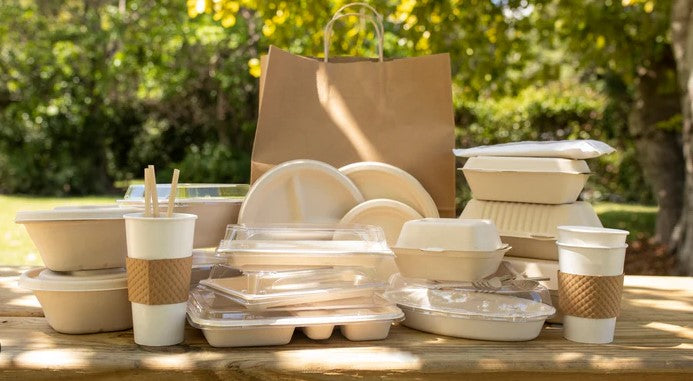
Using bioplastics for food packaging can help businesses reduce plastic waste while keeping food protected, presentable, and delivery-ready. The best option depends on what you sell, whether packaging needs to handle heat, condensation, or oils, and how customers can dispose of it at the end of life.
Across the UK, more takeaways, cafés, restaurants, caterers, and wholesalers are moving away from conventional plastics because packaging impacts customer perception. If a container leaks, warps, or arrives messy, customers judge the meal before they taste it. Sustainability expectations have also risen, so businesses want eco-friendly packaging that feels modern but still performs properly during service.
At Ambican, we support food businesses that want packaging materials that work in real conditions, not just in theory. This guide is a practical bioplastic packaging comparison that explains the key materials, where each one fits best, and what to consider when comparing types of bioplastic packaging for your menu.
Bioplastics are plastics that are either bio-based, biodegradable or both. That matters because not every bioplastic breaks down in the same way, and some biobased plastics are not necessarily biodegradable.
Conventional plastics are usually made from fossil fuels and petroleum-based polymers. They are durable and widely used in food packaging, but they contribute to plastic waste when recycling fails, or packaging becomes contaminated with food waste.
Bioplastics used for food packaging can be made from renewable biomass sources such as corn starch, cellulose, or plant oils. This can reduce reliance on fossil resources and support environmental benefits, depending on manufacturing and end-of-life treatment. For businesses, the simplest rule is to match packaging to performance needs first, then choose the most realistic disposal route for your customers.
There are various types of bioplastics packaging used across rigid containers, flexible liners, films, and wraps. Each material performs differently with heat, moisture, grease, and time in transit.
The table below supports a simple bioplastic packaging comparison, helping you to understand which materials suit which foods best before you commit to buy.
| Material | Best Uses | Key Benefit | Typical Disposal Route |
|---|---|---|---|
| PLA | Cold Food And Drinks | Clear And Rigid | Industrial Composting Facilities |
| Starch Blends | Liners And Flexible Packs | Cost Effective | Often Industrial Composting |
| PHA | Films And Wraps | Biodegradability Potential | Composting Varies |
| PBS | Trays And Stronger Packs | More Durable | Composting Depends |
| PBAT | Compostable Films And Liners | Flexible And Tough | Industrial Composting Facilities |
| Cellulose | Bakery Wraps And Produce | Breathable | Composting Varies |
| Drop In Bio PE / Bio PET | Plastic Style Packs | Familiar Performance | Recycling Routes |
PLA, also known as polylactic acid, is one of the most common materials in compostable packaging because it looks similar to conventional plastics. It is typically derived from renewable biomass sources such as corn starch and is widely used for clear, rigid containers.
PLA is best for cold food packaging like salads, fruit pots, chilled desserts, and meal prep. It also works well for cold drinks like iced coffees and smoothies, where presentation matters.
The main limitation is heat. PLA is not suitable for hot foods or hot liquids because it can soften and lose structure. It is also commonly compostable via industrial composting facilities rather than home composting, so disposal guidance should be kept simple.
Starch-based materials are made from plant starch, commonly corn, blended with other polymers to improve performance. They are often used for liners and flexible packaging formats.
Starch blends can be a strong option when comparing sustainable food packaging materials because they may offer cost benefits for high-volume packaging. Many businesses use them as an alternative to conventional plastics for lightweight items that do not require strong heat resistance.
Performance depends on the blend. Some cope well with moisture and oils, while others weaken under condensation or longer delivery times. Testing with your menu is the best way to avoid packaging failures.
PHA is produced using a biological process where microbes convert biomass into biopolymers. It is often described as one of the most promising biodegradable plastics due to its biodegradation potential.
PHA is commonly used in films and wrap-style packaging. For businesses exploring biodegradable food packaging, it can support strong sustainability messaging while still offering practical performance in flexible formats.
The main drawback is cost and availability. For many businesses, it works best as a targeted switch rather than replacing every packaging item at once.
PBS and PBAT are widely used in compostable food packaging materials because they help packaging remain durable and flexible during use.
PBS can be used for trays and stronger containers, offering improved durability and heat tolerance compared with PLA in some formats. PBAT is widely used for compostable films and liners because it performs similarly to traditional plastic packaging in flexibility and strength.
It is worth noting that PBAT is often derived from fossil resources even though it is biodegradable, which is why it is important to compare packaging based on performance, environmental impact, and realistic disposal routes.
Cellulose packaging is derived from plants and is often used for bakery wraps, sandwich packaging, and produce films. It suits foods that benefit from breathability and a natural presentation.
Cellulose can reduce condensation issues for certain items, but it is not always suitable for oily foods or heavy sauces unless coatings are applied for better barrier performance. For businesses, cellulose is best treated as one option within sustainable food packaging materials rather than a replacement for every packaging format.
Drop-in bioplastics, such as Bio PE and Bio PET, behave like conventional plastics but are made using renewable biomass sources rather than fossil fuels. They are bio-based, but not necessarily biodegradable.
These materials can suit businesses that need durability and reliable sealing for delivery. In some cases, they may align with recycling routes, depending on local infrastructure and contamination levels. Their limitation is that they do not automatically reduce plastic waste unless disposal is handled correctly.
Barrier performance affects food quality, customer satisfaction, and waste. Packaging should be chosen based on what the food needs during storage, stacking, and transport.
Most menus need moisture resistance for salads and chilled items, grease resistance for fried or oily foods, oxygen barriers to protect freshness, and aroma control for strong flavours.
Choosing packaging materials works best when barrier properties match the food, reducing leaks, failures, and wasted orders. This is especially relevant when reviewing biodegradable food packaging and compostable food packaging materials, as performance can vary between material types.
Paper packaging is often best for hot foods, fried meals, and items that benefit from breathability. Bioplastic packaging is often better for cold food packaging, sauces, dips, and desserts, where sealing matters.
Many businesses use both. For pizza menus, sustainable pizza boxes are often the best option because they stay rigid, stack well, and protect heat. Bioplastics for food packaging can then support dips and chilled sides.
Switching packaging materials should be practical and consistent. At Ambican, we help businesses choose packaging that fits real service conditions, from cold containers to delivery-friendly solutions.
If you are exploring compostable options, our compostable food packaging range is a strong place to start, with formats suited to everyday food service.
PLA is one of the most popular types of bioplastics packaging for cold foods because it is clear, rigid, and keeps the presentation looking premium. It works well for salads, fruit pots, chilled desserts, and meal prep containers. PLA is not suitable for hot foods because it can soften and lose shape under heat. If your menu is mainly chilled, it is often one of the most reliable options to start with.
Compostable food packaging materials are designed to break down under controlled conditions, often in industrial composting facilities. Biodegradable food packaging can break down over time, but the conditions, speed, and result vary depending on the material. This is why biodegradable does not always mean it will break down in normal outdoor environments. Checking disposal guidance helps avoid customer confusion and contamination.
Drop-in bioplastics are made from renewable biomass sources, which can reduce reliance on fossil fuels compared with conventional plastics. However, they behave like traditional plastic packaging and are not necessarily biodegradable. Their sustainability benefits depend heavily on recycling routes and whether customers dispose of them correctly. They can be a practical choice when durability and sealing performance are essential.
You can explore Ambican’s eco-friendly food packaging range to compare practical options for takeaways, cafés, restaurants, and wholesalers. The best approach is to choose packaging materials that match your food type, temperature, and delivery needs. A simple bioplastic packaging comparison can help you narrow down the right format before switching at scale. If you are unsure, starting with the highest volume items usually gives the fastest results.