Latest News

Consumers are driving sustainable food packaging trends by actively choosing brands that reduce plastic waste, use environmentally friendly materials, and demonstrate visible sustainability efforts. Packaging has become an important factor in purchasing decisions, pushing businesses to rethink how their packaging strategy aligns with consumer expectations.
At Ambican, we work closely with food businesses across the UK and see this shift first-hand. Growing demand for sustainable packaging is no longer niche. It reflects changing consumer behaviour, environmental concerns, and rising expectations around transparency, waste reduction, and food safety.
In short, sustainable food packaging trends are being driven by consumer demand, reinforced by regulation, and sustained by the need for packaging that performs as well as it protects the environment.
Consumer demand for sustainable packaging has increased as environmental issues become more visible in everyday life. Plastic waste, single-use plastics, and unsustainable packaging are now widely recognised as contributors to long-term environmental damage, prompting consumers to seek more responsible alternatives.
Consumer demand for sustainable packaging is supported by industry insight showing that a majority of consumers now consider packaging sustainability when making buying decisions. Environmentally friendly packaging has moved from a preference to an expectation, with growing demand year on year as awareness of environmental impact increases across the food industry.
When businesses ask if consumers are interested in eco-friendly packaging, the answer is increasingly clear across the food industry. Consumers are actively interested in eco-friendly packaging and now expect it as standard rather than as a premium feature.
This growing demand is especially strong among eco-conscious consumers, families, and those following plant-based diets. These groups often prioritise environmental impact alongside food quality, making sustainable packaging a core part of modern food packaging decisions.
Consumer behaviour directly shapes packaging trends by influencing what retailers stock and what businesses invest in. When customers favour recyclable packaging or compostable packaging, brands respond by adjusting their packaging solutions to remain competitive.
As demand grows, consumers are also becoming more sceptical of vague sustainability claims. Clear labelling, recognised certification, and transparent communication are essential for building trust. Eco-conscious consumers are increasingly able to distinguish between genuine sustainable solutions and greenwashing, making credibility a key factor in packaging strategy.
Sustainable food packaging trends reflect a shift toward materials that reduce environmental footprint while maintaining food safety and shelf life. These trends are shaping packaging materials and influencing decisions across supply chains.
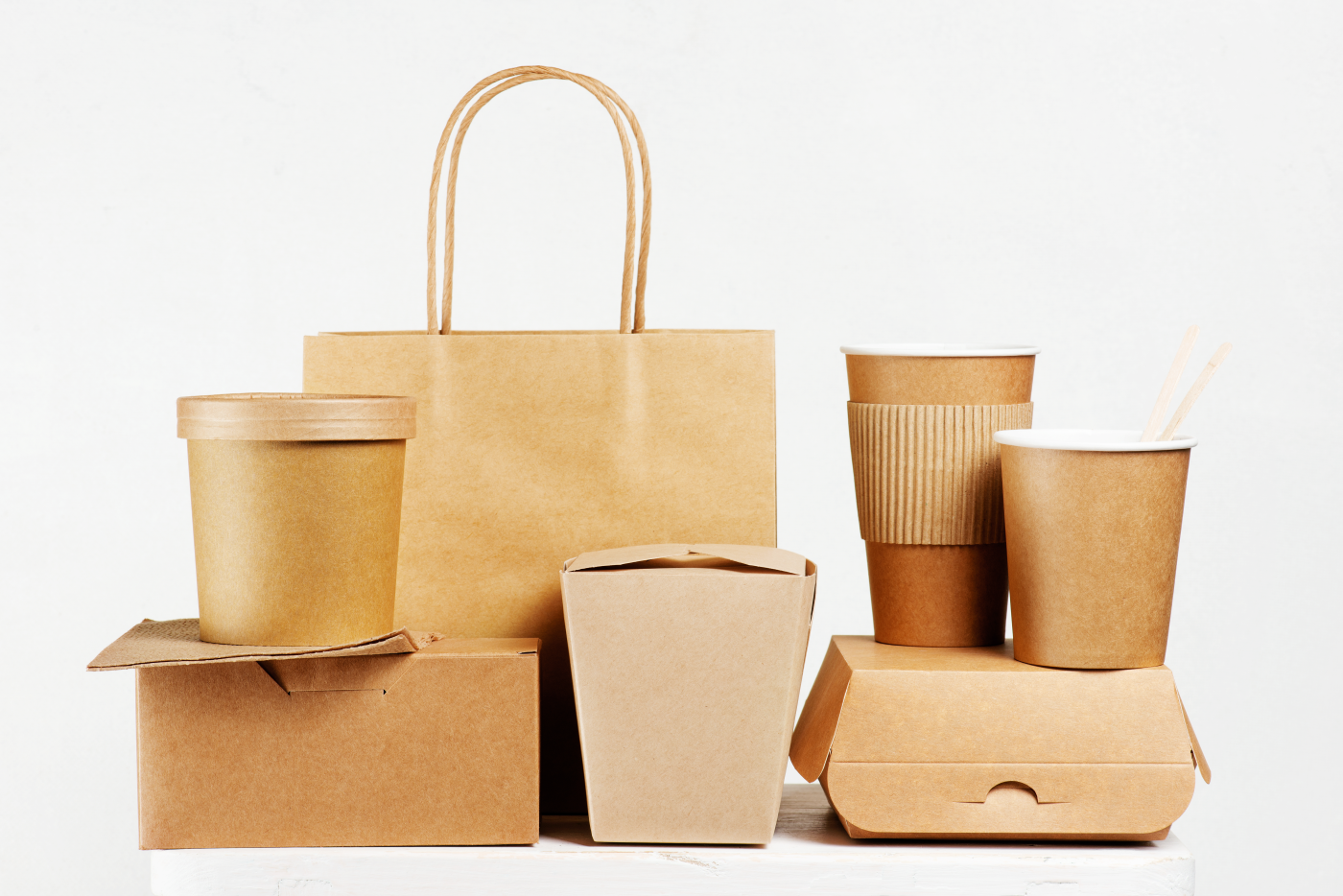
Sustainable materials such as cardboard packaging, moulded fibre, and polylactic acid are gaining popularity as alternatives to plastic packaging. These materials are derived from renewable sources and support waste reduction goals when disposed of correctly.
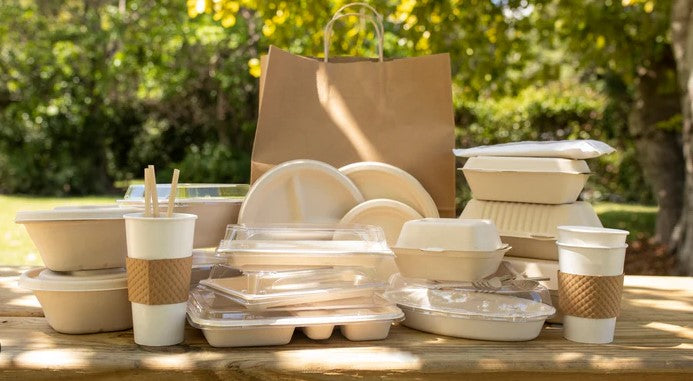
Compostable packaging has become an important part of sustainable packaging strategies, particularly within food service environments. Certified compostable packaging helps businesses manage food waste more effectively when suitable composting infrastructure is available.
Ambican’s range of compostable food packaging supports businesses looking to reduce plastic waste without compromising hygiene or packaging performance.
Recyclable packaging made using recycled content reduces reliance on virgin materials and supports a circular economy. Consumers increasingly expect packaging materials to be clearly labelled and simple to dispose of responsibly.
Many businesses may consider whether green food packaging can help their sales, seeing as consumer expectations continue to shift toward sustainability. Green food packaging can positively influence sales by building trust and supporting brand differentiation.
Many consumers are willing to pay slightly more for products that align with sustainable practices when these efforts are communicated clearly. Environmentally friendly packaging enhances brand reputation, strengthens customer loyalty, and supports long-term growth in competitive markets.
Food packaging waste management is closely tied to consumer expectations. Customers increasingly judge brands on how packaging is disposed of after use, not just how it looks on the shelf.
Packaging that supports recycling, composting, or reuse aligns with sustainability efforts and reduces environmental impact. Effective food packaging waste management also supports compliance and helps businesses reduce waste handling costs.
Regulatory changes across many countries are reinforcing consumer behaviour rather than replacing it. Restrictions on single-use plastics, extended producer responsibility, and waste reduction targets are accelerating the move toward sustainable packaging solutions.
For businesses, this means consumer demand and regulatory pressure are moving in the same direction, making a sustainable packaging strategy both a commercial and compliance priority.
Plastic packaging remains widely used due to its durability, cost efficiency, and food safety benefits. However, unsustainable plastic packaging is increasingly viewed negatively by consumers, particularly where single-use plastics are involved.
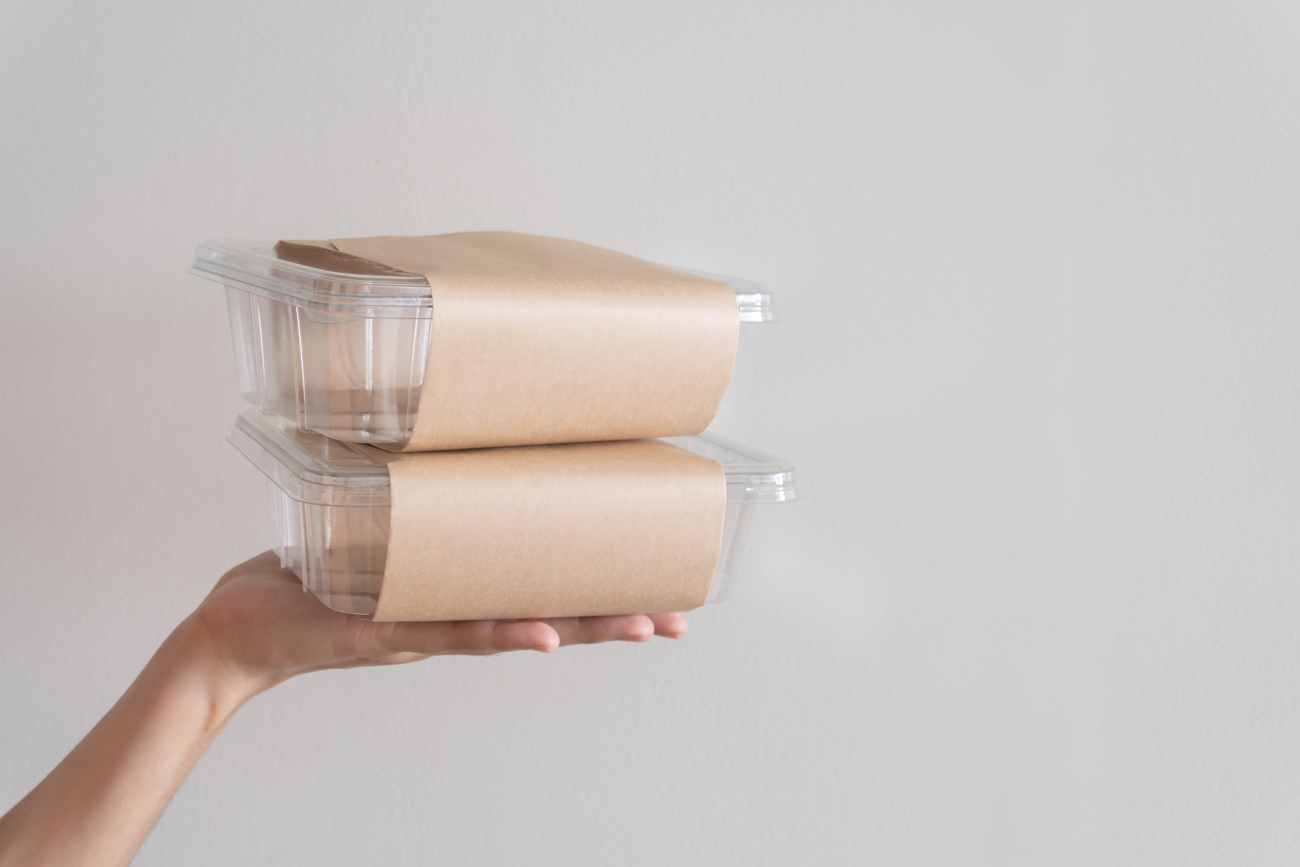
Many businesses are now reducing plastic use or replacing it with sustainable alternatives where possible. When plastic remains necessary, recyclable or reduced plastic formats help address environmental concerns without compromising food safety.
While sustainability is a growing trend, food safety remains non-negotiable. Packaging must protect food, maintain shelf life, and meet hygiene standards regardless of material choice.
Sustainable packaging only succeeds when it performs as well as traditional packaging. Consumers expect environmentally friendly packaging to protect food safety, preserve shelf life, and maintain hygiene without compromise.
Supply chains are adapting by sourcing new materials, redesigning packaging formats, and investing in innovation. These changes affect packaging performance, logistics, and product lifecycle management.
Businesses that adopt sustainable packaging strategies early are better positioned to manage costs, meet regulatory expectations, and respond to evolving consumer demand.
A strong, sustainable packaging strategy balances consumer demand, operational practicality, and environmental impact. Businesses should assess packaging materials, disposal routes, and supply chain implications before making changes.
Choosing eco-friendly food packaging that aligns with real-world disposal systems helps businesses deliver genuine sustainability rather than surface-level changes.
Sustainable food packaging trends will continue to be shaped by consumer expectations, material innovation, and supply chain adaptation. Improved recyclable packaging, wider access to compostable packaging, and increased use of recycled content are expected to gain popularity.
As sustainability becomes a baseline expectation, businesses that invest early in sustainable solutions will be better positioned to meet future demand and maintain competitive advantage.
At Ambican, we help businesses navigate sustainable food packaging trends with practical guidance and reliable packaging solutions. Our approach focuses on packaging that works in real food service environments while supporting waste reduction and sustainability goals.
We also offer branded food packaging to help businesses communicate their sustainability efforts clearly at the point of use.
Sustainable food packaging trends are not temporary. Growing demand, environmental concerns, and regulatory pressure mean sustainable solutions will continue to shape the packaging industry.
Businesses that respond early benefit from stronger customer relationships, improved reputation, and greater resilience as sustainability becomes standard practice.
Sustainable food packaging trends are growing due to increased consumer awareness of environmental issues and plastic waste. Packaging now plays a key role in purchasing decisions. Customers actively choose brands aligned with sustainability. This shift is influencing packaging strategies across the food industry.
Yes, consumers are increasingly interested in eco-friendly packaging and expect businesses to reduce environmental impact. Packaging is seen as a reflection of brand values. Clear sustainability messaging builds trust. For many brands, asking whether consumers are interested in eco-friendly packaging is no longer hypothetical. It’s a sustainable option many want to see when purchasing food and drink.
Yes, green food packaging can improve sales as it can help strengthen brand loyalty and attract eco-conscious consumers. Sustainable packaging enhances brand reputation. Customers are more likely to support businesses aligned with their values, so for many brands, green food packaging can help sales increase.
Sustainable packaging is designed to meet food safety standards while reducing the environmental footprint. Modern materials protect shelf life and hygiene. Packaging performance remains essential. Businesses do not need to compromise food safety.
Businesses should review their packaging strategy and identify where sustainable materials can replace unsustainable options. Working with experienced suppliers simplifies the transition. Packaging aligned with disposal infrastructure delivers the best results. Gradual changes are often most effective.
Yes, sustainable packaging is becoming standard as demand grows and regulations evolve. Businesses adopting sustainable solutions now are better prepared for future expectations. Sustainability is shaping long-term packaging trends. This shift is unlikely to reverse.