Latest News
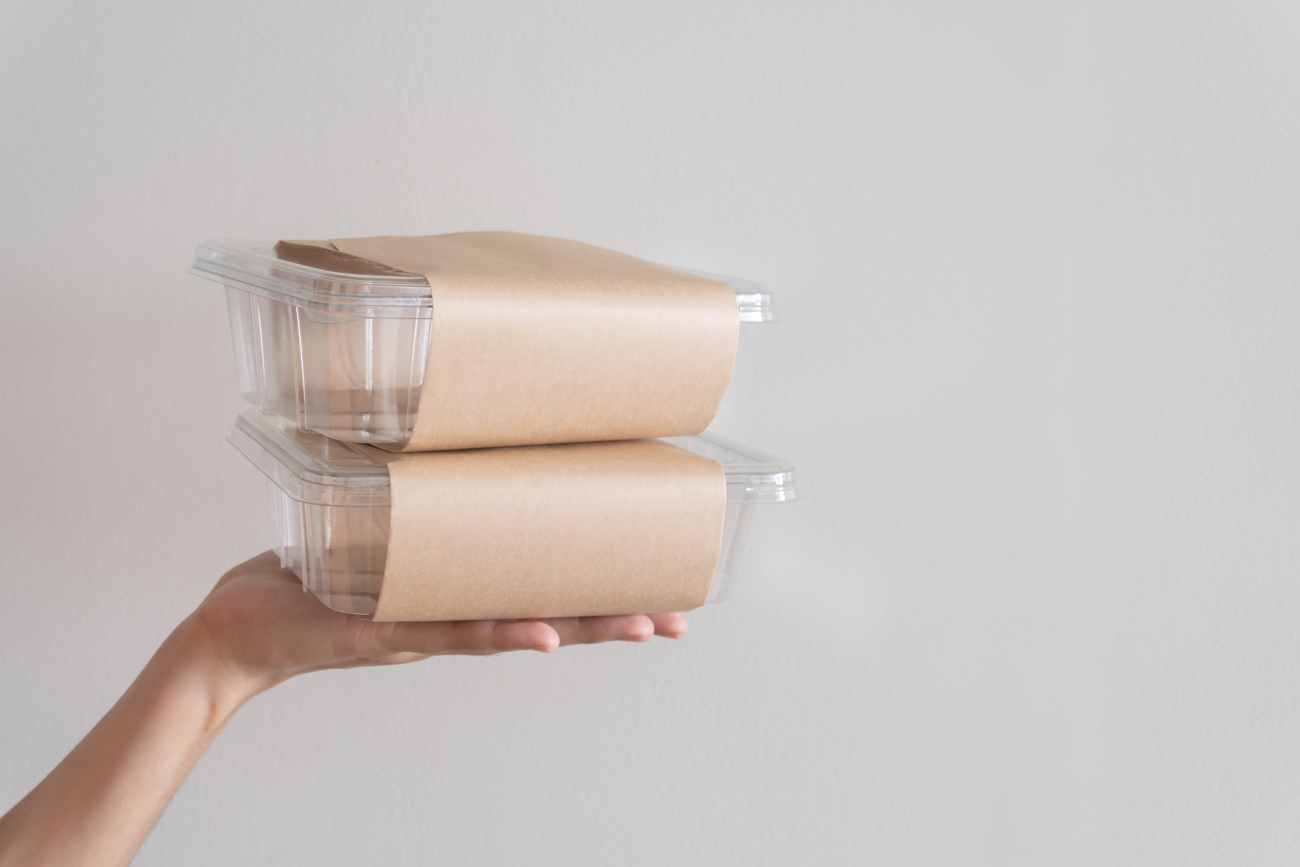
Having custom food packaging is one of the best ways to help reduce food waste as a business. It improves portion control, protects food from damage, and reduces leaks and spoilage, helping to make meals easier for customers to store and finish. When packaging is designed to suit the food inside, businesses waste fewer products during prep and delivery, and customers waste less once they get home.
Food waste is usually caused by the same handful of issues: food gets damaged, food goes soggy or stale too quickly, sauces leak, or customers cannot store leftovers properly. The right packaging prevents those problems, which is why reducing food waste starts with packaging performance, not just switching materials.
At Ambican, we support food businesses across the UK with packaging that is designed to protect product quality through transport, storage, and service, whether you sell hot meals, fresh produce, baked goods, or drinks.
Portion control packaging reduces waste by keeping serving sizes consistent, which helps prevent overfilling, poor seals, and food spills during prep and delivery. It also makes meals easier for customers to finish, share, or save, which reduces household food waste when leftovers are stored properly. This is especially useful for rice, pasta, noodles, chips, sides, dips, sauces, dressings, and desserts, and it is one of the quickest ways to cut waste while improving consistency and cost control.
Damaged packaging quickly leads to wasted food because if food boxes collapse, crack, or leak, customers often bin the meal as it looks messy or unreliable. Custom food packaging reduces waste by improving structural strength, seals and lids, sizing, and hygiene support, helping meals stay protected and presentable during delivery, collections, and busy service periods where packaging needs to perform consistently.
Shelf life is not just about date labels; it is about how long food stays fresh and enjoyable once it has been packed. The right packaging can reduce spoilage by controlling moisture to prevent condensation, reducing drying to keep baked goods fresh, protecting food from external contamination, and maintaining structure so meals still look and feel appetising. For many businesses, food packaging waste reduction starts here because fewer items spoil before they are sold, and fewer orders are rejected due to quality dropping too quickly.
A lot of food waste happens after purchase, because customers may throw food away if the packaging feels awkward, messy, or difficult to store. Packaging can reduce household food waste by making it easier to store leftovers safely, stack containers in the fridge, avoid spills in bags or cars, and understand what the food is and when to use it. Reducing food waste with the right packaging helps the customer experience as much as it does business operations.
Standard packaging is designed to work for everything, but food does not behave the same way across menus. Fried food needs ventilation. Saucy meals need leak protection. Fresh produce needs stability. Baked goods need structure.
Custom food packaging matters because it improves fit and reduces the most common causes of waste:
• Spills and leaks
• Crushed items
• Sogginess from trapped steam
• Drying out too quickly due to poor moisture control
It also makes the service smoother. When teams have the right packaging for each item, it reduces errors and helps food stay consistent from the kitchen to the customer.
If you are reviewing suppliers or exploring eco-friendly food packaging options, custom formats are often the most effective way to improve performance without changing your menu.
Yes, and this is the balance food businesses need to get right. Packaging reduces food waste by protecting the product, but it can increase packaging waste if it is oversized, unnecessary, or poorly designed. The best solution is fit for purpose packaging that uses only what is needed to keep food safe and high quality.
Right-sizing helps reduce waste because:
• Food stays stable in transit
• Items are less likely to crush
• There is less empty space and movement
• Fewer remakes are required
This is the point where bespoke food packaging solutions support both waste management goals and day-to-day operational efficiency.
| Packaging Format | Best For | Waste Impact | Why It Reduces Waste |
|---|---|---|---|
| Vented food boxes | Fried foods, hot pastries | Lower | Reduces sogginess by letting steam escape |
| Leak-resistant containers | Curries, noodles, sauces | Lower | Prevents spills and supports food safety |
| Strong produce packs | Fruit and vegetables | Medium to lower | Reduces bruising and physical damage |
| Poorly sized generic boxes | Mixed menus | Higher | Causes movement, crushing, and quality drop |
| Resealable packaging | Leftovers and baked goods | Lower | Improves storage and reduces household food waste |
Customers often throw away food because they are unsure if it is safe. Clear labelling reduces that hesitation.
A simple rule helps:
• Use-by dates relate to safety
• Best-before dates relate to quality
When food packaging supports clear date labels and storage guidance, customers are more likely to keep food correctly and waste less at home.
The best way to reduce food waste is to review packaging based on your actual menu, not guesswork. Different foods need different packaging features.
Hot food needs heat retention and steam control. The biggest issue is trapped moisture. Seal fried food too tightly, and it becomes soggy. Vent it too much, and it cools too fast.
Good solutions include:
• Structured food boxes for stability
• Secure containers for sauces
• Vented formats for fried foods
• Correct sizing to reduce movement
For many takeaways, this is where sustainable takeaway packaging must still perform properly, because food quality drops quickly if steam control is ignored.
Fresh produce is easily bruised and often travels a long way before it is eaten. Small damage becomes spoilage quickly.
Packaging that reduces waste here typically focuses on:
• Strong bases to prevent crushing
• Ventilation to reduce condensation
• Secure closure for hygiene
• Stability for stacking and transport
For salads and chilled meals, preventing moisture buildup is one of the fastest ways to reduce waste and protect product quality.
Baked goods waste happens when items dry out or get crushed. Better packaging prevents this by:
• Using fitted food boxes that protect the structure
• Reducing movement so toppings stay intact
• Supporting freshness for longer storage
Even a small change in size or rigidity can reduce breakages and stale stock.
Spills create waste instantly. One leaking drink can ruin an entire order, including food products that were packed perfectly.
The best improvements usually come from:
• Lids that seal reliably
• Containers that match the portion size
• Packaging that carries securely
This is also where custom-branded cups can support better handling and consistency, especially for coffee and cold drinks.
Testing is the fastest way to avoid wasting money on packaging that looks good but fails in real conditions.
A simple trial can include:
• Checking leak resistance on sauces
• Reviewing crispness and texture over time
• Monitoring damage during transport
• Asking customers about freshness and usability
Testing makes sure custom food packaging reduces waste in practice, not just in theory.
At Ambican, we help food businesses choose packaging that protects product quality, reduces damage, and supports daily operations. That might mean improving portion control packaging, upgrading lids to reduce leaks, or selecting packaging materials that keep food fresher for longer.
We also know presentation matters. Consistent packaging builds trust quickly, which is why branded food packaging is often part of the solution when businesses want packaging that performs and represents their brand properly.
If you are switching suppliers or updating your packaging system, custom food packaging is one of the simplest ways to reduce waste across prep, transport, and customer storage. When packaging fits the food, businesses waste less and customers enjoy a better experience.
If you want bespoke food packaging solutions that work for your menu and service model, we are ready to help.
Custom packaging can cost more per unit, but it often reduces overall waste and remakes. Better fit and protection also improve portion control and consistency. Over time, reducing food waste and packaging issues can improve margins.
Yes, portion control packaging reduces overfilling, leaks, and inconsistent serving sizes. It also makes leftovers easier to store. This helps with food packaging waste reduction across service and customer use.
Leak-resistant containers and structured food boxes are usually the most effective. They protect sauces, prevent crushing, and keep meals intact. This is one of the fastest ways to reduce waste.
Yes, if it matches the food type and delivery conditions. Compostable formats need to protect freshness and prevent leaks like any other option. If you are considering compostable food packaging, testing helps confirm performance.
Start with the items that create the most waste, complaints, or refunds. Trial new formats and measure leaks, damage, and customer feedback. Then scale changes across your menu once performance is proven.