Latest News
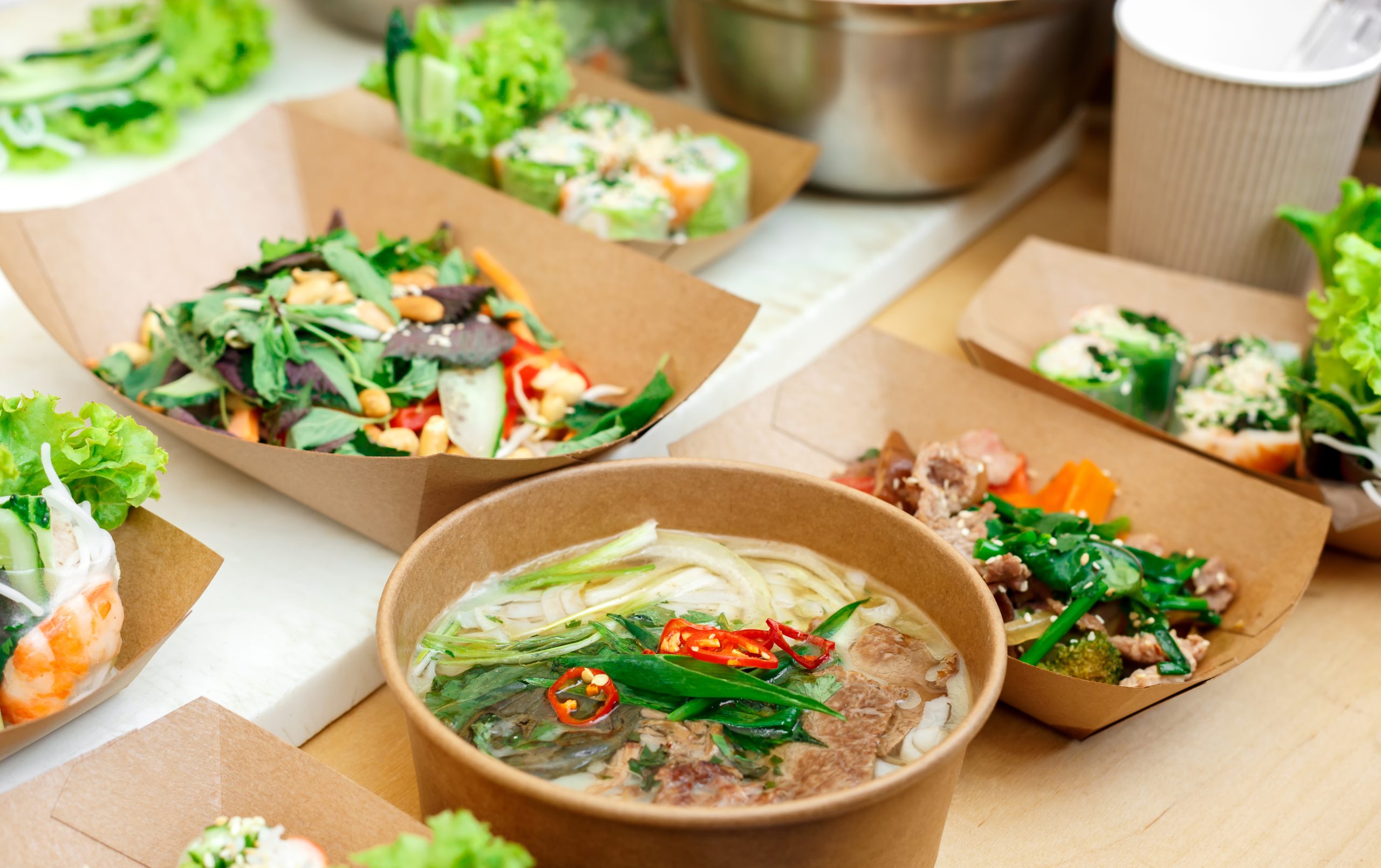
Salads are one of the few food-to-go lines where the packaging does half the selling. A wilted leaf under a fogged-up lid puts customers off before they have even read the label, while the same salad in the right box looks fresh and worth the price on the shelf. Getting the container right matters more here than almost anywhere else in a food-to-go counter.
This guide walks through how to choose salad boxes for takeaway lunch service, covering formats, sizes, lids, and the display fridges they need to sit in, based on what we see working across cafes, delis, lunch bars, and grab-and-go counters we supply UK-wide.
A good salad container for a lunch counter does three things: it shows the food clearly, holds the build without compressing the leaves, and stacks on a fixed-height fridge shelf so units face forward. Customers buy the salad they can see, so visibility through a clear lid or paperboard window feeds straight into sell-through.
Chilled produce also gives off moisture, and once condensation settles on bruised leaves, the salad looks tired well before its use-by point. Dressings compound that, which is why most operators pack them in a separate sauce pot or deli pot tucked into the box rather than dressing on assembly.
Four formats cover almost every salad menu in the UK food-to-go sector. Our range of disposable salad boxes and trays sits alongside bagasse bowls and clear rigid formats, so most counters can run one supplier across the whole line.
| Quick tip: Keep one container family across the salad menu where you can. Interchangeable lids mean fewer mis-picks at 12.30 pm, fewer stock lines to reorder, and less storage lost to half-used cases. |
Bowls suit anything tossed rather than layered: grain bowls, poke, pasta salads, and dressed signature items. The round shape lets staff mix in the container and reads as a single premium portion. Boxes suit mixed leaf salads, layered builds, side salads, and meal deal bundles sold with a sandwich or wrap, and their rectangular shape provides more usable face-on shelf space. Plenty of our customers run both: bowls for the hot counter and signature lines, boxes for the chilled grab-and-go shelf.
Lid choice is the main lever. Vented lids let condensation escape and keep leaves crisper in a display fridge, while sealed lids protect against dressing leaks in delivery bags. If you sell both ways, run vented for the counter and sealed for delivery.
Build order matters just as much. Wet ingredients, proteins, and grains go at the bottom, dry leaves sit on top, and dressing travels in a separate pot. Do not overfill: compressed leaves bruise, release water, and turn a premium salad soggy by early afternoon. Keep boxes clear of the cabinet’s cold air outlet, where the air blast dries the top layer, and follow the Food Standards Agency’s chilling guidance on holding temperatures.
Three size bands cover most UK lunch menus. Around 250ml to 350ml works for side salads, meal deal add-ons, and smaller portions. Around 500ml to 750ml is the workhorse standard lunch portion. From 1,000ml upwards handles sharing salads, premium protein bowls, and catering portions. Match the size to your recipe weight and price point so the box looks generously filled on the shelf rather than half empty, and test-fill one container from each band with your actual build before you commit to a case quantity.
There are two credible routes. Compostable formats include bagasse bowls made from sugarcane fibre and PLA-lined kraft boxes, both of which need a commercial composting collection to perform as intended. Recyclable rPET clear containers are the alternative where visibility comes first, and a mixed recycling stream is in place. Our compostable packaging range covers the first route, and our guidance on disposing of compostable food packaging is worth reading before you switch.
Choose the waste collection you actually have, not on the label: a recyclable format with a working collection route does more than a compostable one that never reaches a composter. The Plastic Packaging Tax applies to plastic packaging containing less than 30% recycled content, so ask us for recycled content figures before you standardise on a plastic format. Keep any in-store claims specific and accurate in line with the CMA Green Claims Code, and our guide to the cost of switching to eco-friendly packaging covers the unit-price side.
We hold salad boxes and trays, clear rigid containers, bagasse bowls, sauce pots, and deli pots at wholesale prices from our Park Royal base in London. If you want help working out how to choose salad boxes for a takeaway lunch service or to match container sizes to your menu, we will put together a starter list with you. Delivery is 1 to 2 working days across the UK, and free on orders over £130 ex VAT. For bulk quantities, call our team today.
Hinged clear containers are usually the best fit. They are one piece, so the staff has no lid to find during a rush, and full visibility helps the salad sell from a chilled shelf. Kraft boxes with clear window lids are the alternative if you want a more natural look.
Use a bowl for tossed and dressed builds such as grain bowls, poke, and pasta salads. Use a box for layered leaf salads, side salads, and meal deal bundles, where the flatter profile presents better face-on in a display fridge.
Pack dry leaves on top of wet ingredients, keep dressing in a separate sauce pot, and avoid overfilling so leaves are not compressed. Vented lids let condensation escape, and boxes should sit away from the cabinet’s cold air outlet.
Yes. Bagasse bowls made from sugarcane fibre and PLA-lined kraft boxes are both compostable, where a commercial composting collection is available. Confirm what your waste contractor collects before switching your whole salad line.
A standard UK lunch salad usually sits in the 500ml to 750ml range. Side salads and meal deal add-ons work at 250ml to 350ml, while sharing salads and premium protein bowls need 1,000ml or more.