Latest News
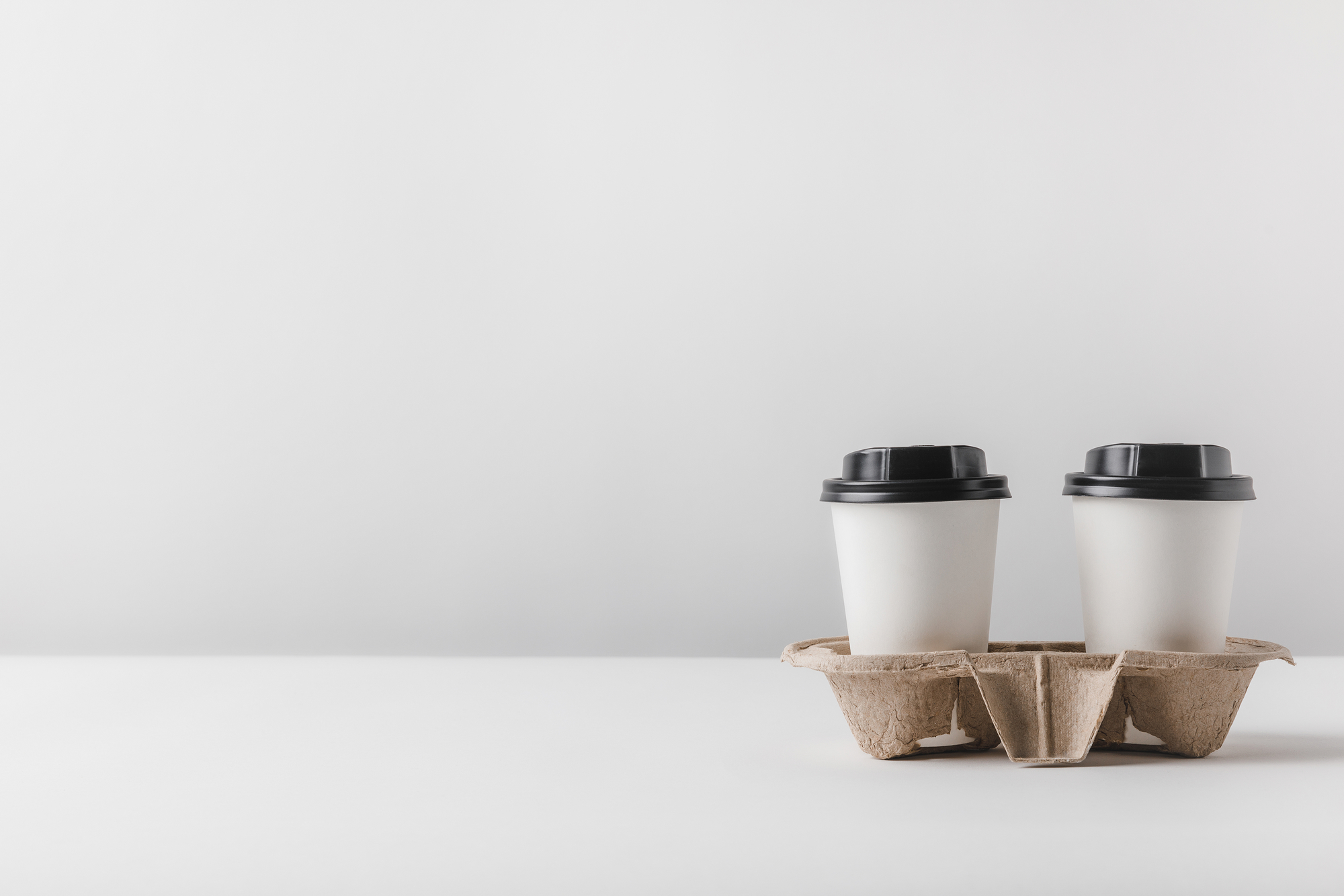
Summer menus wind down fast once the weather turns. Iced lattes drop off the board and hot drinks take over the till almost overnight, which changes what a café, coffee shop, food truck, or takeaway needs sitting in the stockroom. A drinks run built for June rarely survives a wet Tuesday in November without a gap opening up somewhere in the cup order.
This guide walks through the cup formats, sizes, lids, and holders worth having in place before the seasonal rush starts, based on what keeps busy UK counters moving through autumn and winter.
From September, the drinks mix inverts. Cold cups and straws sit still while lattes, cappuccinos, chai, tea, and hot chocolate carry the day, and the seasonal specials arrive with them: pumpkin spice lattes, spiced chai, and hot chocolate finished with cream, marshmallows, and a drizzle of syrup.
Takeaway share climbs too. Customers who lingered at a table in July now grab a drink and walk, which pushes lids, sleeves, and carriers from a minor line to a core one. Running out of a single lid size can stall the whole hot drinks section during the morning peak.
Quick tip: Pull your till data for last October and November before you set this year’s quantities, then add for any new specials.
Three formats are worth stocking for winter service, and the choice comes down to heat retention, print quality, and total cost per drink served. Our hot drink cups cover all three.
Single-wall cups have the lowest unit cost and suit tea-led sites, lower-volume operations, and anywhere the drink leaves the counter in a sleeve. They get uncomfortably hot above a short espresso, so budget for a cardboard sleeve on almost every drink. Once the sleeve is counted, the cost per served drink often lands close to a ripple cup, which is the sum most operators skip.
The fluted outer layer on ripple cups traps air against the inner wall, giving built-in insulation. The drink holds heat longer, and no sleeve is needed, which takes a line off your order list and a step out of the handover. They also feel more substantial in the hand, so they suit specials priced at a premium.
Double-wall cups have a smooth outer wall rather than a fluted one, so print sits cleanly, and logos reproduce sharply. They insulate like ripple but present better when the cup carries your branding, which usually makes them the format to specify for a printed campaign.
Stock 8oz, 12oz, and 16oz, and you cover almost every autumn drink. 8oz handles espresso, cortado, flat white, small teas, and short hot chocolates. 10oz to 12oz are the workhorses for standard lattes, cappuccinos, and chai lattes. 12oz to 16oz take the large seasonal specials: a pumpkin spice latte or a hot chocolate finished with cream and marshmallows needs the headroom a 16oz gives you.
Headroom is the rule most sites get wrong. A topped drink poured to the brim pushes cream into the lid the moment it is picked up, so size up rather than overfill. Keep the ladder tight, since two or three sizes are easier to stock, price, and train staff on than five.
Sip-through lids are the default for takeaway hot drinks, and lid sizing works on rim diameter rather than fluid capacity. That catches buyers out. Cups of different volumes can share a rim, while two sizes that are close together do not, so check the rim diameter listed on the product page rather than assuming the lid matches the ounce size.
Cardboard sleeves are essential with single-wall cups and redundant with ripple. Cup carriers earn their place in winter, when office runs and family orders spike, and one member of staff is passing four drinks across a counter.
Quick tip: Order cups and lids together in one delivery. Buying them separately is the most common reason a rim mismatch turns up mid-season.
The period from Autumn into Christmas is the highest-footfall window of the year for hot drinks, so a printed cup is seen more times per pound spent than at any other time. A cup carried down a high street advertises you in a way an in-house mug never does. Our custom-branded cups put your logo and seasonal artwork on the format you already use, and the campaign lands harder when the design carries across cups, sleeves, and paper bags.
Custom print needs artwork approval and a production run, so an autumn campaign has to be decided in late summer rather than mid-October.
PLA-lined cups use a plant-based lining rather than a conventional plastic film and are certified compostable, as stated on the product page, usually against EN 13432. The lid matters as much: a compostable cup with a plastic lid creates a mixed waste stream, so specify compostable lids and paper sleeves at the same time. Our guidance on disposing of compostable packaging covers what happens after the handover.
The UK Plastic Packaging Tax applies to plastic packaging containing less than 30% recycled content, which is worth raising with your supplier when you buy plastic lids in volume. When you talk to customers, follow the Green Claims Code: say what the item is made from and how to dispose of it rather than making broad environmental statements. If unit cost is the sticking point, our breakdown of the cost of switching to eco-friendly packaging works through the numbers.
Set stock levels against last autumn’s volumes plus an uplift for new specials, then consolidate cups, lids, sleeves, and carriers into one order rather than drip-feeding top-ups through October. Build your full set with us, cups, sip-through lids, sleeves, and carriers, dispatched in 1 to 2 working days from Park Royal, London, with free delivery on orders over £130 ex VAT. For bulk quantities, call our team today.
A 16-oz cup is the safest choice for topped seasonal drinks. Pumpkin spice lattes and hot chocolates finished with cream or marshmallows need headroom above the liquid line, and a 12-oz filled to the brim pushes toppings into the lid. A 12oz is enough for standard lattes and chai served without toppings.
Ripple cups insulate on their own and need no sleeve, which suits coffee-led sites serving hot drinks all day. Single-wall cups cost less per unit but require a cardboard sleeve for most drinks, so compare the combined cost of the cup plus sleeve before deciding.
Yes. We print logos and seasonal artwork onto cups, and double-wall cups take print cleanly thanks to their smooth outer wall. Print runs need lead time for artwork and production, so order in late summer to have stock ready for September.
We stock PLA-lined compostable cups alongside conventional options. Compostability is stated on the individual product page, so check the listing for the cup you want and pair it with a compostable lid and paper sleeve for a single-stream set.
Place your first bulk order in late August or early September, before the seasonal menu launches. Custom-printed cups need longer lead times, so commit to those in late summer. Standard lines dispatch within 1 to 2 working days, making mid-season top-ups straightforward.