Latest News
Christmas markets are among the busiest seasonal windows for UK street food, and the right packaging determines whether service runs smoothly or grinds to a halt at 7 pm on a Saturday.
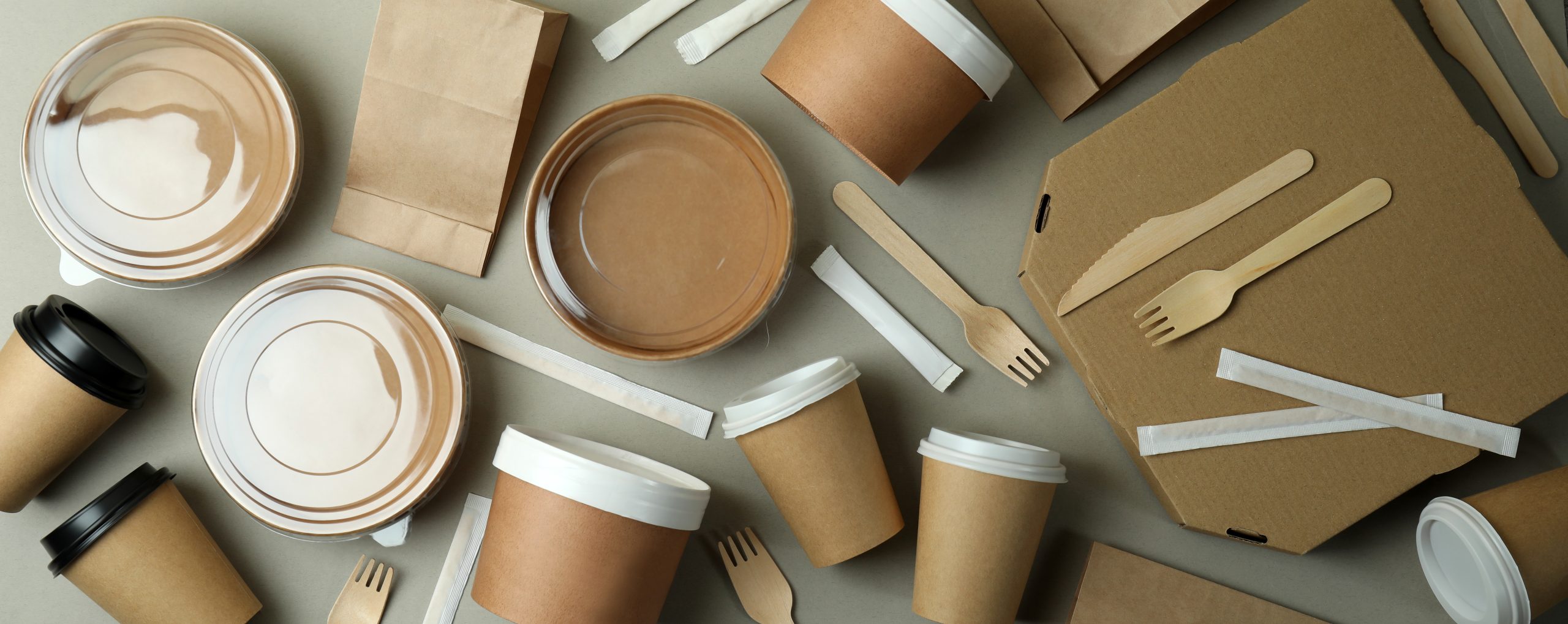
If you have just confirmed a pitch and are working out what food packaging you need for a Christmas market stall, the list is longer than most traders expect: hot-drink cups and lids, boxes for mains, trays for sides, carrier bags, greaseproof sheets, cutlery, napkins, and sauce pots.
We supply all of it. A vendor serving mulled wine in ripple cups still loses time at the counter if the lids do not match or the napkins run out on day 2.
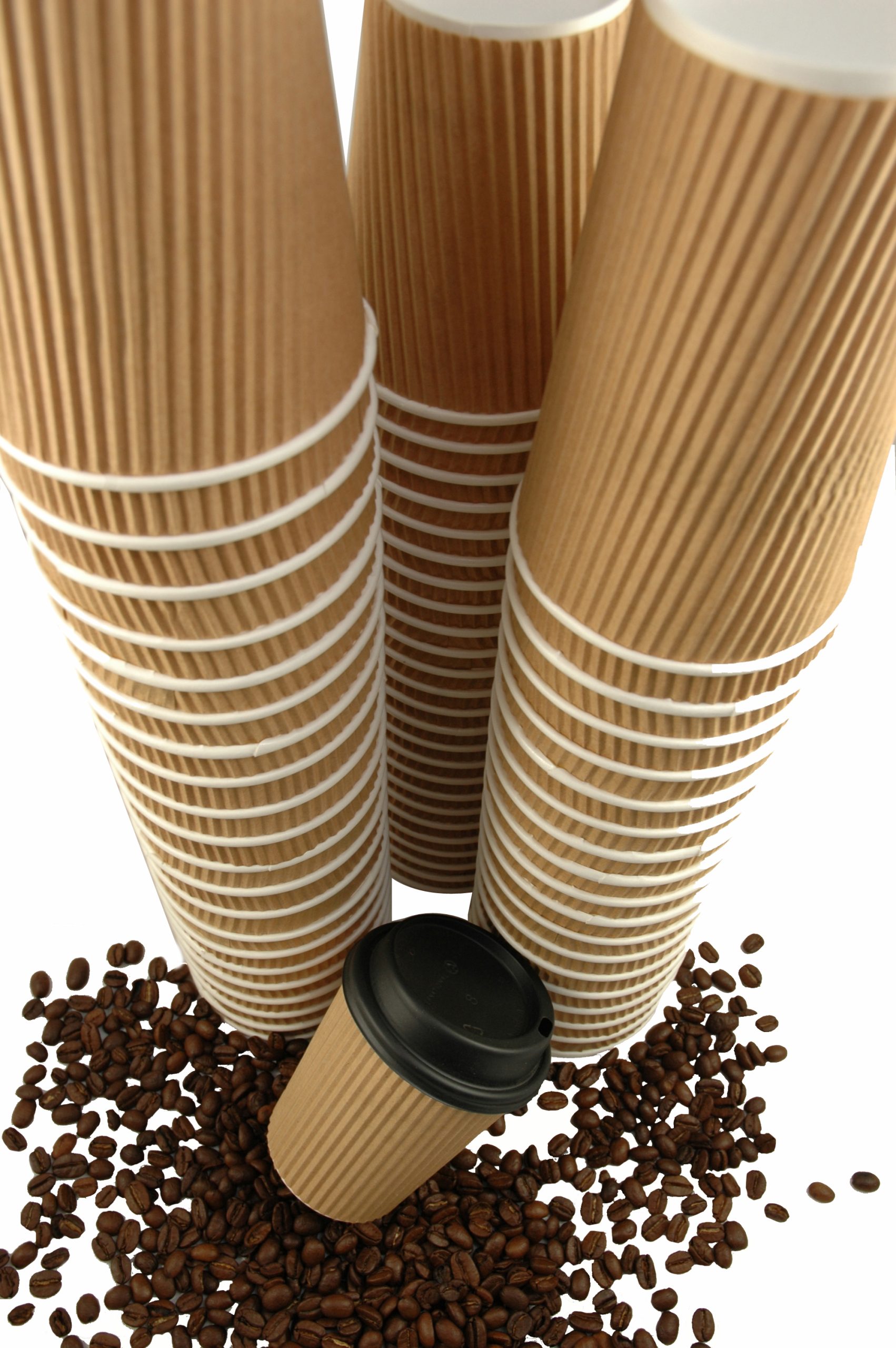
A Christmas market stall serving mulled wine, mulled cider, hot chocolate, or spiced chai needs insulated paper cups, matching lids, and sleeves if the cup is single-walled. Our hot drink cups range covers 8oz through to 16oz, the practical spread for festive drinks service.
Ripple cups carry a textured outer layer that insulates without a separate sleeve, which matters outdoors in December when customers are queuing in gloves. Single-wall cups with sleeves cost less per serve but require handling a second item at the counter.
On sizing, typical trade practice is 8oz for a spirit-strength mulled wine pour, 12oz as the standard serve for mulled cider and chai, and 16oz for sharing-size hot chocolate. Check your own measure and pricing before committing to a size across the season. Lids are not optional at a market: customers buy a drink and then browse the other stalls, so an unlidded cup means spillage and complaints.
Quick tip: Order lids and sleeves if you are using them, in the same ratio as cups. Running out of 12-oz lids, with 2,000 cups still in the van, is the most common stock mismatch we see.
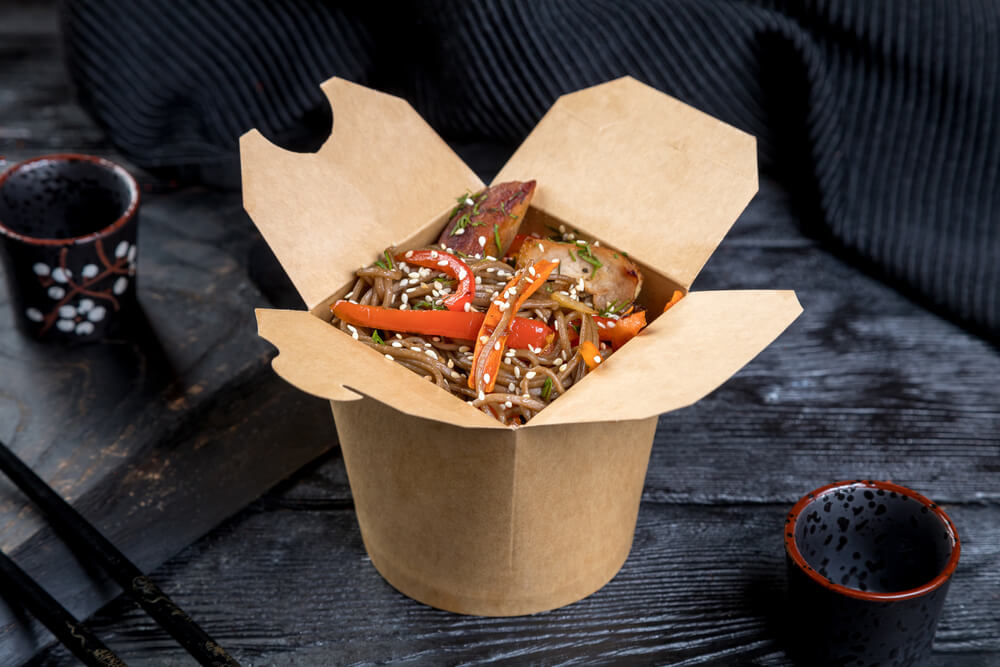
Match the container to the menu item. Our cardboard takeaway boxes suit bratwurst, pulled pork rolls, loaded mac and cheese, and most hot mains, handed over for immediate eating. They hold shape under sauce and fold flat in storage.
Foil containers work well for larger portions, stews, and anything to be held hot or reheated on the stall. Bagasse clamshells, made from sugarcane fibre, offer a lidded option with useful grease resistance on the sides. Chip trays handle loaded fries, churros portions, and roast potatoes, where speed at the hatch matters more than a lid.
Storage is a real constraint on a 3m by 3m pitch, so favour formats that nest or fold flat and keep only 1 trading day of stock on the stall itself.
Accessories are the cheapest items on the list and the ones that stop service when they run out. Our paper takeaway bags are ideal for customers buying for a group or carrying food home from the market.
Greaseproof and deli sheets handle crepes, churros, and toasted sandwiches eaten on the move with one hand, and they cut down on mess around the stall.
Wooden forks and spoons are the items traders run short of first, usually because they order against expected covers rather than actual handouts. Add napkins, including 3-ply for heavier dishes, and sauce pots for condiments served at the counter.
Budget generously: A pack of cutlery costs a fraction of what a lost sale costs.
Eco-friendly options run across every category a market stall uses: bagasse clamshells and trays made from sugarcane fibre, kraft paper bags and boxes, wooden cutlery, and compostable cup lines.
Compostable and recyclable are not interchangeable. Compostable items need an appropriate waste stream to break down properly, so check what bins the market provides, while recyclable items depend on the local collection accepting them. The CMA Green Claims Code expects environmental claims to be specific and accurate, so describe what a product is made from rather than making broad statements on your signage.
Pitch terms differ between markets. Some organisers specify packaging standards in the booking paperwork, and others leave the decision to the trader, so confirm yours before placing a bulk order. Naming the material on your signage, such as sugarcane fibre or kraft paper, gives customers something concrete rather than a vague green claim.
Work backwards from expected covers per trading day, multiply by the number of trading days, then add a buffer for the busiest weekends, weighted towards cups and lids.
Order early. Shortages are hardest to fix mid-season, and consolidating cups, boxes, bags, and accessories into a single order is the simplest way to clear our £130 ex VAT free delivery threshold rather than paying carriage 3 times.
We deliver within 1 to 2 working days, including top-up orders between market weekends. If van and lock-up space are tight, split the season across 2 or 3 deliveries rather than taking everything at once.
At Ambican, we supply the cups, boxes, containers, bags, and accessories a Christmas market stall needs, shipped from our Park Royal base in London with free delivery on orders over £130 ex VAT and delivery in 1 to 2 working days.
Call our bulk order line today to build your full-season packaging list with us, or reach out via our contact page.
A typical stall needs insulated hot drink cups with lids, food boxes or foil containers for mains, trays or clamshells for sides, paper carrier bags, greaseproof sheets, cutlery, napkins, and sauce pots. The exact mix depends on your menu, but hot drinks and accessories are where vendors most often under-order.
Typical trade practice is an 8oz cup for a spirit-strength mulled wine serve and a 12oz cup for a standard pour. Match the size to your measure and your price point, then order lids in the same size and quantity.
Requirements vary by market. Some organisers set packaging standards in the pitch terms, and others leave the choice to the trader, so check your own booking paperwork before you order.
Orders over £130 ex VAT qualify for free delivery. Consolidating cups, boxes, bags, and accessories into one order is the easiest way to reach the threshold.
Yes, we stock wooden forks and spoons alongside napkins and sauce pots. Order generously, as cutlery is the accessory that stalls run short of first.