Latest News
If you run a cafe, coffee shop, food truck, or any food business serving hot drinks to go, you have probably faced this decision: ripple cups or single-wall cups? Both hold hot liquid safely for a customer to carry away, but they feel different in the hand, cost different on the invoice, and send different signals about your brand. This guide compares the two formats across insulation, unit cost, printing, and eco credentials so you can make the right call for your operation.
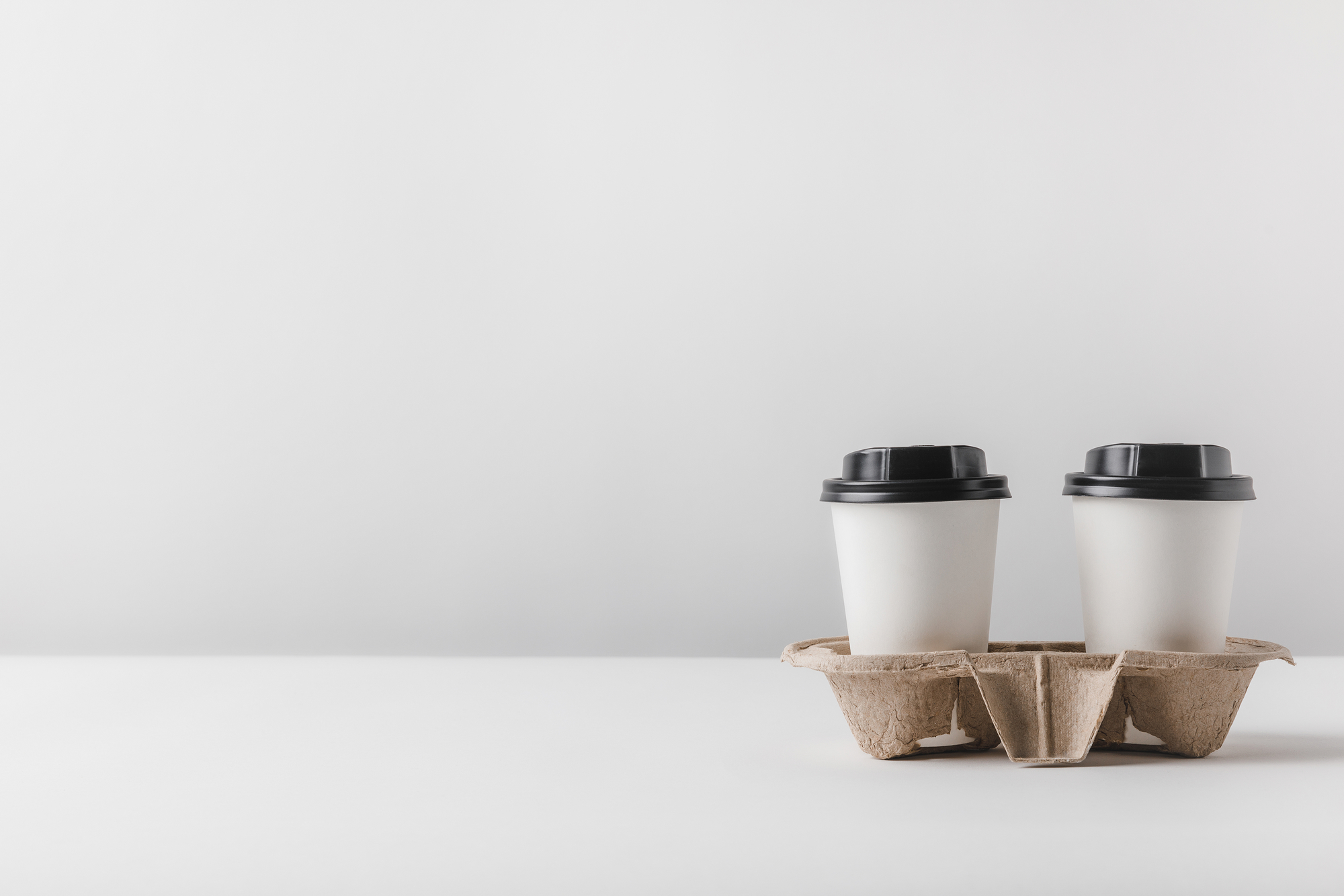
Single wall cups are the standard takeaway coffee cup: one layer of PLA-lined paper, the cheapest per unit, and the most widely used format in UK food service. The trade-off is heat transfer. With only one layer between the drink and the customer’s hand, single-wall cups get hot quickly with freshly brewed coffee, which usually means adding a cardboard sleeve or cup holder. Ambican’s hot drink cups range includes single wall cups in all standard sizes from 6oz to 16oz.
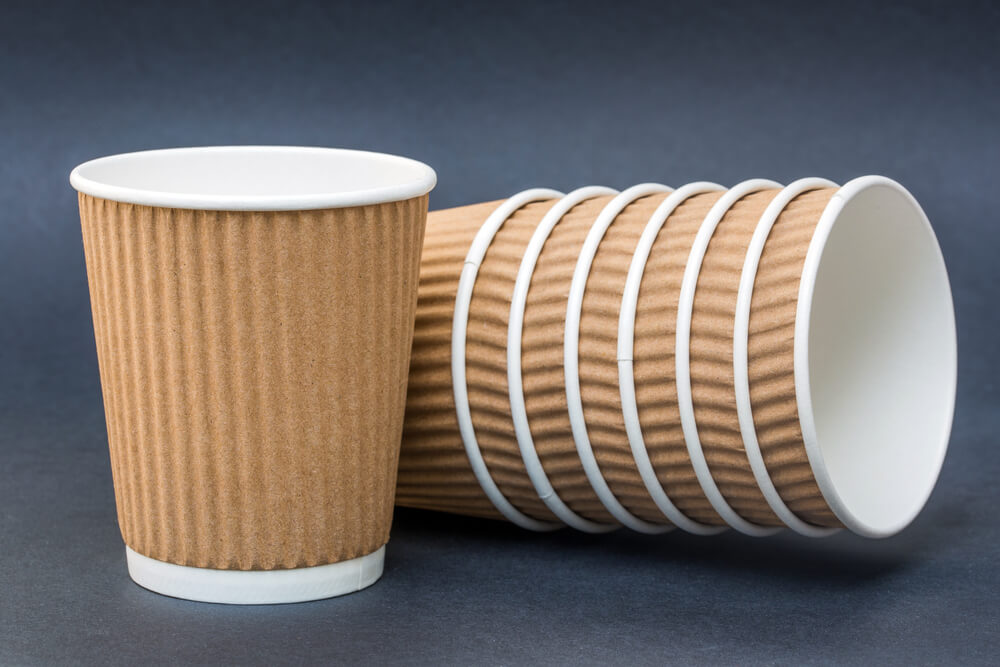
Ripple wall cups have a corrugated outer layer bonded to the cup body, creating a textured, ridged surface that traps air pockets and insulates the cup. The result is a cup that can be held comfortably without a sleeve, even with very hot drinks. Ambican’s ripple cups are available in 8oz and 12oz formats and are compostable, making them popular with speciality coffee operators and artisan cafes that want a premium feel without the extra step of adding a sleeve.
The main difference is insulation. A single wall cup has one layer of paper, transfers heat directly to the hand, and typically needs a sleeve. A ripple cup has a corrugated outer layer that creates air pockets, so it can be held without a sleeve. Ripple cups cost more per unit, but the gap narrows when you factor in sleeve costs. Ripple cups have a textured, premium look suited to speciality coffee, while single-wall cups have a smooth surface that takes printing and branding more cleanly. Both are available in compostable, PLA-lined versions across the same size range.
Double wall cups have a smooth outer layer with an air gap, providing insulation similar to ripple but without the textured surface. This makes them the best option for detailed or full-colour custom printing, because the surface is flat and uninterrupted. They are typically the highest cost per unit of the three formats.
Ripple and double wall cups both outperform single wall cups for heat retention and hand comfort. With a single wall, staff often need to add a sleeve before handing the cup to the customer, which adds a step to every transaction and a separate SKU to stock. With a ripple or double wall, the cup goes straight to the customer. In high-volume service, skipping the sleeve saves time and reduces counter clutter. On cost, single-wall cups are the cheapest per unit. But the true comparison needs to include sleeves. A single wall cup plus a sleeve closes the gap with a ripple cup, and in some cases, the combined cost per serve is similar.
Single-wall and double-wall cups have smooth, flat surfaces that take one, two, and full-colour printing cleanly. Ripple cups have a corrugated texture that limits fine detail. For simple logos, ripple works well. For detailed artwork or photography, a single wall or a double wall gives a crisper result. Many operators use branded sleeves on plain single-wall cups as a compromise. On perception, ripple cups carry a premium association suited to speciality coffee, artisan cafes, and dessert lounges. Single-wall cups are more neutral and suit high-volume operations like canteens, events, and takeaways where throughput matters more than tactile presentation.
Both single-wall and ripple cups are available in PLA-lined compostable formats, recyclable, and commercially compostable to standards such as EN 13432. The choice between them does not significantly change your sustainability position. The main eco consideration is keeping the cup, lid, and sleeve in the same waste stream. As a practical decision framework: if budget is tight and volume is high, start with single wall plus sleeves. If you want a premium look and faster service with no sleeve step, go to Ripple. If detailed custom branding is the priority, consider a double wall. Many operators stock single wall for events and ripple for their regular cafe trade.
A single wall cup has one layer of paper and usually needs a sleeve for hot drinks. A ripple cup has a corrugated outer layer that insulates the cup, so it can be held comfortably without a sleeve. Ripple cups cost more per unit but eliminate the need for sleeves.
Yes, but when you add the cost of cardboard sleeves to single-wall cups, the gap narrows. In some cases, the total cost per serve is similar. Calculate the combined cost of a cup plus sleeve versus a ripple cup alone to see which works for your business.
Yes, but the textured surface limits fine detail. Simple logos and one or two-colour designs work well on ripple cups. For detailed artwork or full-colour photography, single-wall or double-wall cups provide a smoother printing surface and a crisper result.
Both single-wall and ripple cups are available in compostable, PLA-lined formats and are recyclable. The environmental difference between them is minimal. The more important factor is keeping the full cup system, including the lid and any sleeve, in the same waste stream for easy disposal.
Browse Ambican’s ripple cups and single wall hot drink cups side by side, or call 0208 965 8399 to order samples and test both formats for your business.