Latest News
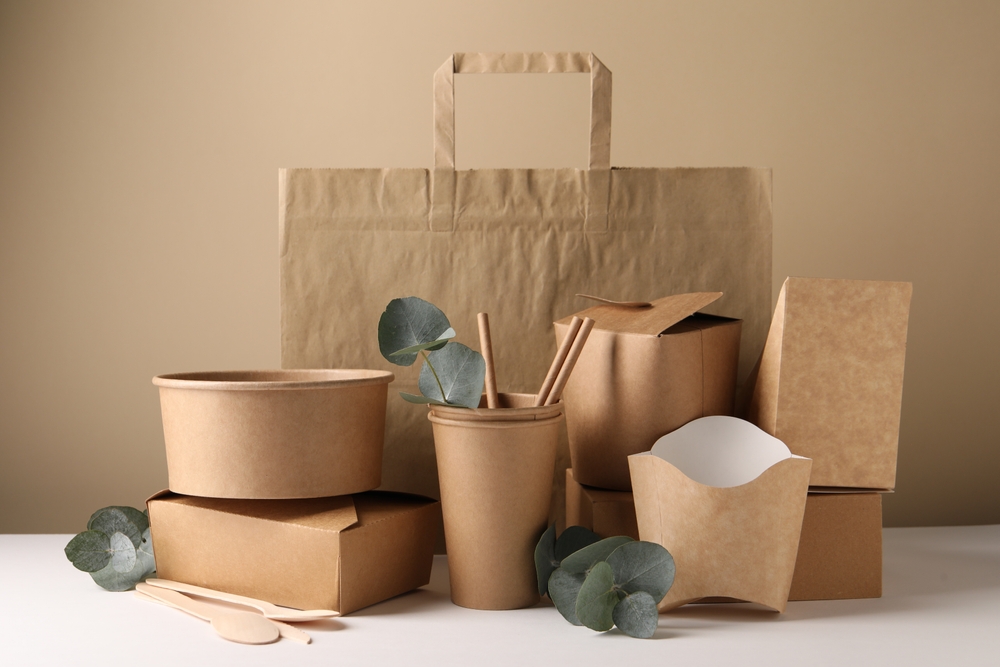
Switching to eco-friendly packaging can reduce costs when businesses look beyond unit price and consider material efficiency, waste reduction, shipping savings, and long-term compliance. While some eco-friendly packaging options come with slightly higher upfront costs, many businesses see clear financial benefits over time through reduced packaging waste, lighter materials, and more efficient supply chains.
Packaging decisions now influence far more than short-term spend. For many businesses, packaging affects profitability, customer trust, operational efficiency, and long-term resilience. At Ambican, we work with businesses across the UK that are reviewing packaging materials and looking for practical, cost-effective ways to adopt eco-friendly packaging that supports both sustainability goals and long-term cost control.
Eco-friendly packaging refers to packaging made from sustainable materials that reduce environmental impact across their full lifecycle. This includes recyclable materials, biodegradable materials, compostable packaging, and packaging created from recycled or renewable resources. These options are designed to minimise waste, reduce carbon emissions, and lower reliance on virgin raw materials.
For businesses, eco-friendly packaging is not just about environmental responsibility. It is about selecting packaging materials that perform reliably, protect products effectively, and contribute to more efficient operations. Many sustainable packaging materials now match traditional packaging in strength and durability while offering improved environmental outcomes.
Eco-friendly packaging is not always cheaper at the point of purchase, but it is often more cost-effective when assessed over time. Some sustainable materials may carry higher upfront costs, particularly for lower order volumes or specialised products. However, these initial costs are frequently offset by savings elsewhere in the business.
Reduced waste disposal fees, lower material usage, and lighter packaging weights all contribute to long-term cost savings. As supply chains mature and demand increases, many eco-friendly packaging options now sit close to or at cost parity with traditional packaging methods.
Short-term packaging costs focus on the immediate unit price and upfront spend. Long-term packaging costs include waste handling, storage efficiency, shipping expenses, regulatory compliance, and the risk of future packaging changes.
When these factors are considered together, eco-friendly packaging often delivers stronger overall value. Even small reductions in packaging weight or material usage can lead to noticeable shipping savings at scale. Over time, stable packaging choices that align with environmental regulations also help businesses avoid sudden cost increases or supply disruptions.
The sustainable packaging cost benefits extend beyond simple price comparisons. Eco-friendly packaging is often designed to use materials more efficiently, helping businesses control costs as volumes grow. Better fitting packaging can also reduce the need for excessive protective layers, lowering overall material spend.
Waste reduction is another significant benefit. Businesses that pay for waste removal by volume or weight often see savings when switching to recyclable or biodegradable materials. Over time, eco-friendly packaging cost savings can also bring cost savings from fewer damaged goods, reduced returns, and more predictable supply chains.
Switching to eco-friendly packaging tends to deliver long-term cost savings rather than immediate reductions. Sustainable packaging solutions focus on durability, efficiency, and waste minimisation, which help stabilise costs as businesses scale.
Early adoption also reduces exposure to future regulatory changes. Businesses already using recyclable or biodegradable packaging are less likely to face rushed supplier changes, redesign costs, or compliance penalties. This long-term stability is a key financial benefit that is often overlooked.
As order volumes increase, eco-friendly packaging often becomes more cost-effective. Larger production runs, improved supplier availability, and more mature supply chains help reduce per-unit costs over time. This is especially true for widely used materials such as corrugated cardboard, recycled paper, and compostable packaging.
Scaling sustainable packaging can also simplify procurement. Standardised materials, fewer packaging variations, and consistent suppliers help reduce complexity, improve forecasting, and strengthen supplier relationships.
Eco-friendly packaging offers additional benefits that indirectly support cost efficiency and long-term business growth. These advantages often strengthen the overall return on investment of sustainable packaging decisions.
Environmentally responsible packaging can significantly enhance brand image. Packaging is one of the most visible touchpoints for customers, and sustainable packaging communicates care, responsibility, and forward thinking.
Businesses that clearly demonstrate sustainable practices often stand out in competitive markets. This improved perception supports stronger trust, positive customer sentiment, and long-term brand recognition.
Customer loyalty is increasingly shaped by values. Many consumers actively choose brands that demonstrate eco-friendly practices, including responsible packaging choices.
By adopting sustainable packaging, businesses can appeal to eco-conscious consumers and strengthen long-term relationships. Over time, this loyalty can offset packaging costs through repeat purchases and higher customer lifetime value.
There is a wide range of eco-friendly packaging options available, allowing businesses to choose solutions that suit both their products and budgets. Corrugated packaging made from recycled materials is widely used due to its strength, recyclability, and cost efficiency.
Many businesses begin by introducing cost-effective, eco-friendly food packaging that integrates smoothly into existing operations while delivering immediate environmental and cost benefits.
Packaging materials directly influence shipping costs and logistics efficiency. Lighter, eco-friendly materials can reduce fuel usage and transportation costs, particularly for businesses shipping high volumes or operating across multiple locations.
As sustainable packaging solutions become more widely adopted, supply chains continue to mature. This improves availability, shortens lead times, and stabilises pricing, making eco-friendly packaging a more reliable long-term option.
At Ambican, we support businesses through every stage of switching to eco-friendly packaging. We help identify packaging solutions that balance cost savings, performance, and sustainability while aligning with real operational needs.
For food service and takeaway businesses, compostable food packaging offers a practical way to reduce waste while maintaining reliability and presentation.
Eco-friendly packaging can sometimes have higher upfront costs compared to traditional packaging. Availability may vary depending on material type and supplier maturity. Some sustainable materials also require specific disposal methods to deliver full benefits. These challenges are often outweighed by long-term savings and brand value.
Many eco-friendly packaging solutions can be customised in size, shape, and branding. Advances in sustainable materials allow for high-quality printing and bespoke designs. This makes it possible to maintain brand identity while using environmentally responsible packaging.
Many eco-conscious consumers are willing to pay slightly more for products with environmentally friendly packaging. Clear communication about sustainability efforts helps customers understand the value. Over time, increased loyalty can offset any additional packaging costs.
Switching to eco-friendly packaging can be worthwhile for small businesses when changes are made gradually. Starting with high-impact packaging items helps manage costs while delivering visible benefits. Even modest changes can improve brand perception and reduce waste.
Yes, clamshell boxes can be a cost-effective eco-friendly food packaging for businesses that need rigid, insulating packaging. They reduce the need for multiple layers of packaging and help prevent spills or damage. Over time, this can lower replacement and waste costs.
Yes, adopting sustainable packaging helps businesses stay ahead of environmental regulations. Using recyclable or biodegradable materials reduces compliance risks as regulations tighten. This proactive approach helps avoid costly, last-minute packaging changes.