Latest News
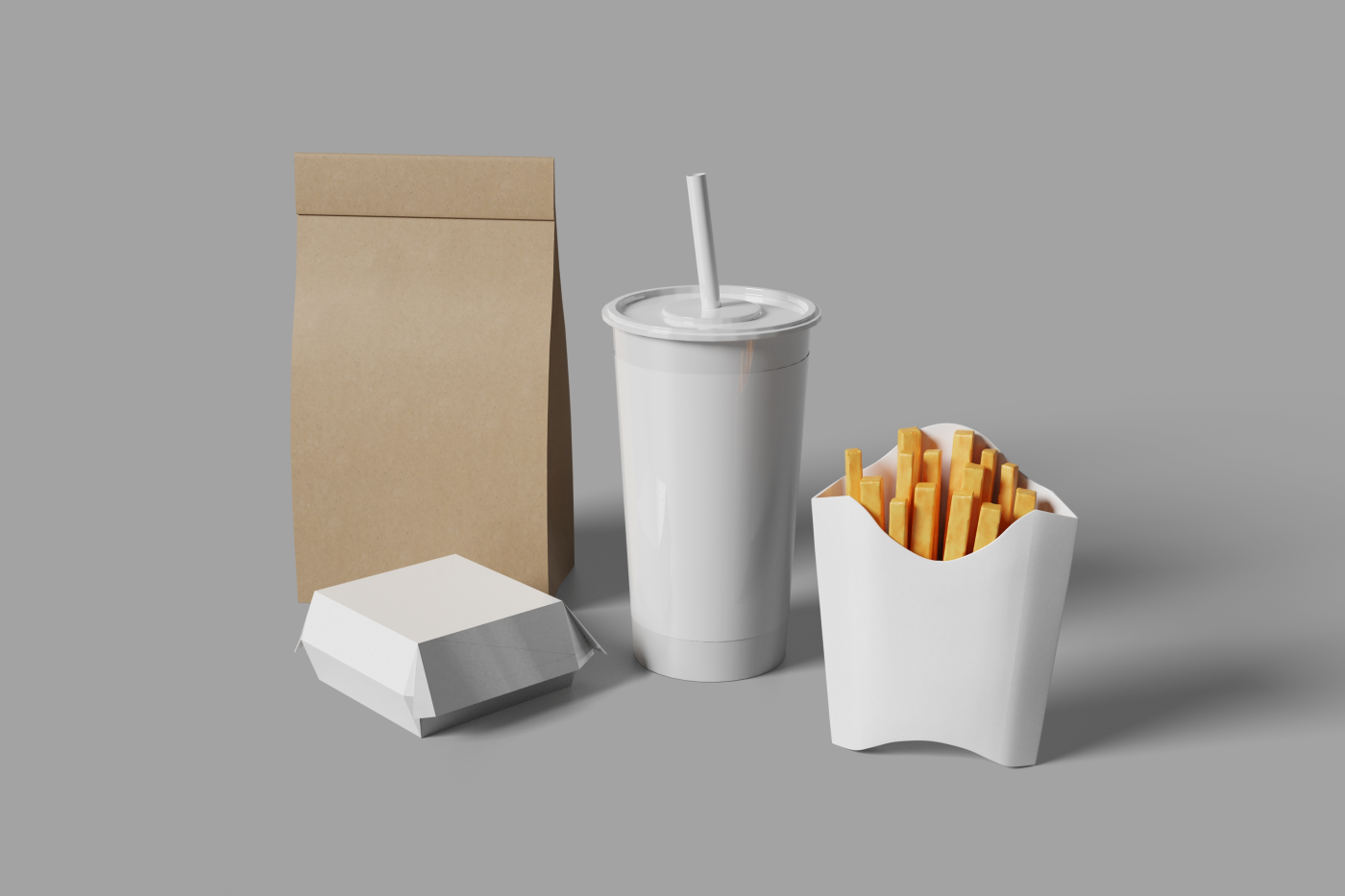
Minimalist food packaging reduces food waste by using fewer materials while still protecting food properly through structure, fit, and sealing. When packaging is right-sized and consistent, it helps businesses avoid leaks, damage, spoilage, and customer complaints that lead to wasted meals.
For food brands focused on sustainability and efficiency, minimalist food packaging is one of the simplest ways to reduce packaging waste and improve day-to-day operations. It supports product quality while reducing pressure on the environment.
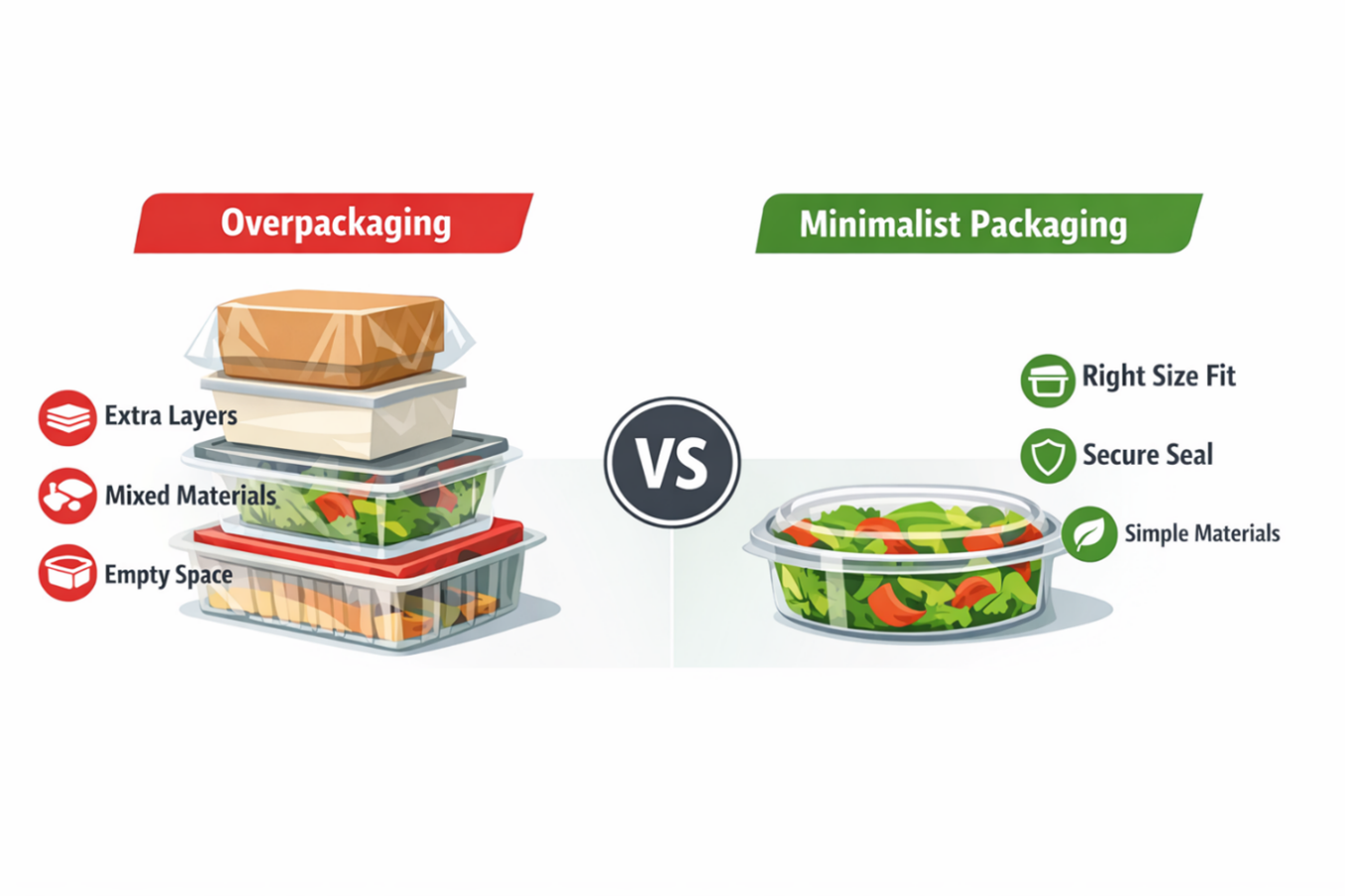
Minimalist food packaging means using only what is needed to protect food quality, safety, and presentation, without unnecessary layers. It is not less effort, it is a smarter packaging design focused on performance and waste reduction.
In practice, minimalist food packaging usually includes:
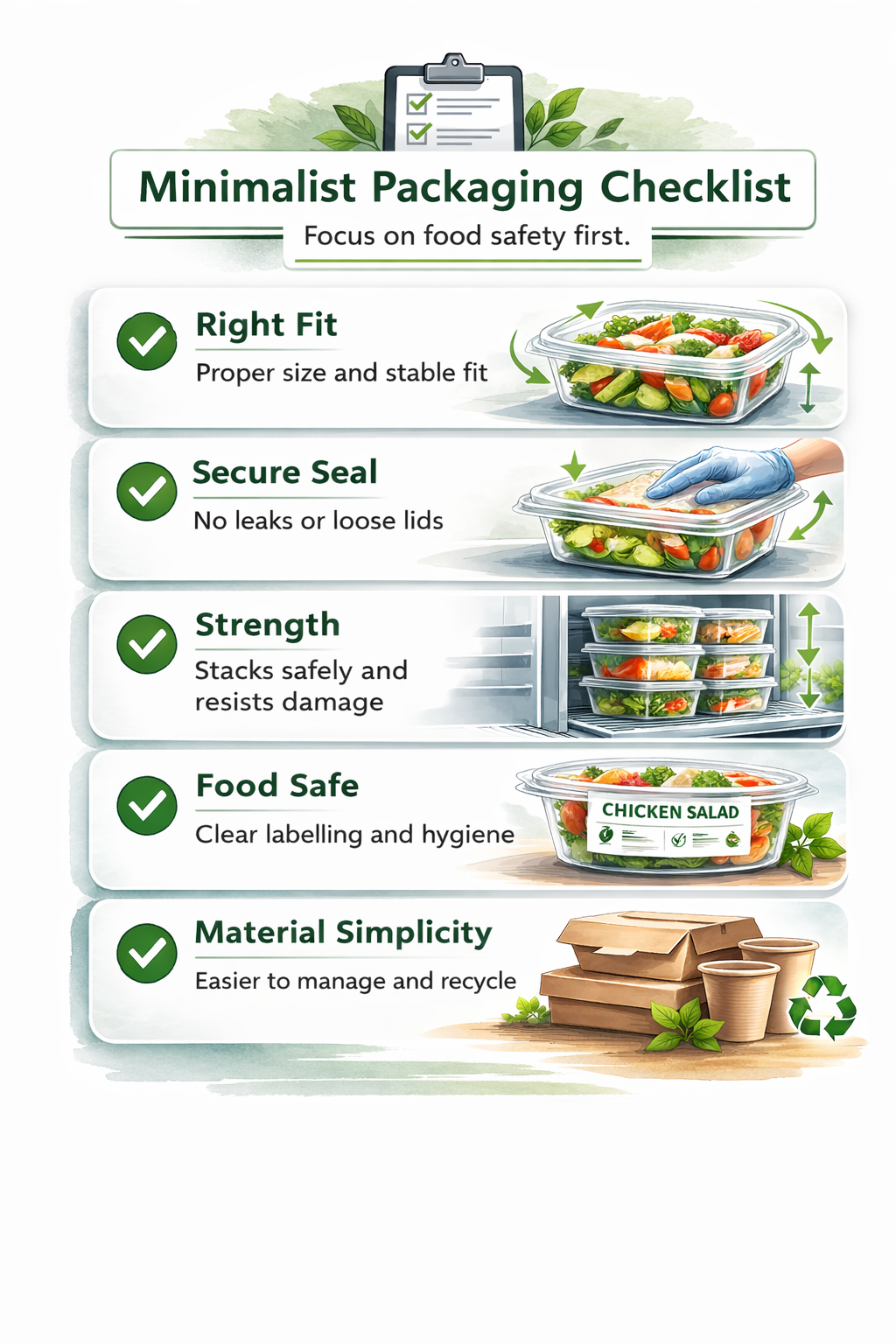
• A container that fits the portion properly and protects the product in transit.
• A secure lid or closure that prevents leaks.
• Strong enough structure for stacking and storage.
• Simple materials that customers can manage more easily.
• Clear labelling that supports food-safe handling.
This approach supports reducing food waste with packaging design because poor packaging choices quickly lead to spoilage, mess, and wasted products. The key is reliability at scale, so waste does not build up during daily service.
Brands are switching because sustainability is now expected. Customers, wholesalers, and supermarkets want packaging that is practical, less wasteful, and easier to dispose of. Businesses also need packaging that supports speed and consistency during busy periods.
Minimalist food packaging is popular because it supports sustainable packaging design while improving operational efficiency. It also supports eco-friendly food packaging goals, especially when it reduces plastic packaging and unnecessary layers. For many brands, it is about innovation, finding smarter ways to protect food without increasing complexity.
Minimalist packaging improves packing speed because staff know what to use and the packaging performs consistently. A better fit means less movement inside the pack, fewer spills, and fewer items needing rework.
Storage also improves because right-sized packaging stacks better and uses less space. This supports less packaging and food waste because fewer damaged items need replacing. It also supports selling, as customers reorder when food arrives intact and presentable.
It does, because cutting back on unnecessary layers reduces waste at the source rather than trying to manage it after the fact. When you remove sleeves, liners, and redundant outer packaging, you create a cleaner packing process and generate less packaging waste during busy service.
Material reduction also makes packaging easier to handle across storage and delivery, especially when you rely on simple packaging solutions that do not need extra wraps or mixed plastics to hold together. Over time, using less material can also help lower carbon emissions, particularly when lighter, more efficient packaging improves transport efficiency across higher-order volumes.
Minimalist packaging often looks more modern because it feels considered and purposeful, not overdone. When customers open an order and everything is neatly packed, secure, and easy to handle, it reinforces that the company takes quality seriously and pays attention to detail.
It also shows how eco-friendly food packaging and minimalist food packaging can work together without compromise. You can reduce unnecessary materials while still delivering a strong presentation, a better unboxing moment, and a cleaner overall customer experience.
Food waste often happens when packaging fails, not because the food was made poorly. The most common causes include leakage, crushed items, heat loss, and moisture ruining texture.
Minimalist food packaging reduces food waste by solving these issues through fit, structure, and sealing rather than extra layers. This supports reducing food waste with packaging design while still delivering reliable quality. If you are reviewing new options for eco-friendly food packaging, minimalist formats are often the easiest place to start because they reduce packaging waste without overcomplicating operations.
Poor fit is a hidden waste driver. When food moves in a pack, it breaks apart, spills, and arrives messy. Customers may reject it, and businesses replace the order.
Minimalist food packaging reduces movement by keeping portions stable. It also improves stacking for delivery drivers, reducing crushing. One of our best tips is to test fit and stack ability together during real service.
Yes. Leaks are one of the quickest ways to waste food and create complaints. If a lid does not seal properly, sauces spill and other items in the bag can be ruined.
This is why simple packaging solutions should prioritise lid strength and stability. You do not need extra packaging if the original pack holds properly. That supports less packaging, food waste, and reduces overall product loss.
Fresh produce bruises easily, increasing spoilage risk. Packaging that provides a light structure without bulky layers helps protect produce during transport and handling.
Minimalist food packaging works best here when it prevents crushing while keeping materials simple. This supports eco-friendly food packaging goals and reduces avoidable loss across the supply chain.
Food waste is often caused by packaging mistakes that repeat daily, especially during busy periods. Common problems include:
• Using containers that are too large so the food slides and breaks apart.
• Choosing lids that do not seal properly.
• Overfilling packs, increasing spills.
• Using weak packaging that crushes during delivery.
• Adding layers that create packaging waste without protection.
• Mixing hot and cold items together so the quality drops faster.
Fixing these issues with minimalist food packaging supports sustainable packaging design without adding more materials.
Minimalist packaging works best when businesses switch gradually and focus on performance first. The goal is to choose packaging that protects food properly, then remove wasteful extras.
1. Identify Where Food Waste Happens Most: Focus on leaks, crushed items, and refunded orders.
2. Right Size Your Packaging: A better fit reduces movement and wasted product.
3. Simplify Materials: Reducing packaging waste is easier with simpler formats.
4. Test During Real Service: Trial packaging during rush periods and delivery shifts.
5. Standardise Once Proven: Consistency supports simple packaging solutions.
If you are upgrading materials too, choosing compostable food packaging can support eco-friendly food packaging goals while staying aligned with sustainable packaging design.
For chilled meals, fresh produce, and salads, packaging needs to protect the structure while managing moisture.
Using disposable salad boxes helps reduce crushed items, protect presentation, and keep food stable in transport. It also supports less packaging food waste because the pack is designed to work without extra layers.
If you want to reduce waste without sacrificing quality, minimalist food packaging is one of the most practical changes you can make. It supports eco-friendly food packaging goals, reduces packaging waste, and improves consistency across service and delivery.
We help UK food brands choose packaging that fits their menu and performs in real conditions. Good sustainable packaging design is not about adding more. It is about choosing packaging that works and supports the environment long term.
Use one clear branding touchpoint, such as a label or printed design, rather than multiple layers. Minimalist food packaging can still feel premium when the structure is clean and consistent. This supports sustainable packaging design without extra packaging waste.
Not when packaging performs properly. Simple packaging solutions feel intentional when food arrives protected, sealed, and presentable. Eco-friendly food packaging often improves trust because it looks thoughtful rather than excessive.
Foods most likely to leak, collapse, or spoil in transit can benefit the most. This includes salads, chilled meals, sauce-based dishes, and fresh produce. Minimalist food packaging helps with reducing food waste as it prevents failures before they happen.
Small items need stable containers and secure lids to prevent waste from spills. Using deli pots supports portion control and helps customers store leftovers more easily. It is a simple way to reduce waste while supporting eco-friendly food packaging goals.